
Last updated: October 2026
The phone in your pocket has quietly become one of the most capable vlogging tools you can own. Modern flagships shoot 4K at 120fps with stabilization that embarrasses cameras costing twice as much, edit full timelines in apps like CapCut and DaVinci Resolve, and upload straight to YouTube without touching a computer. But not every great camera phone is a great vlogging phone. Selfie video quality, microphones, battery life under recording load, and stabilization matter far more than megapixel counts. These are the seven phones that get the vlogging job done best in 2026.
As an Amazon Associate I earn from qualifying purchases.
Quick picks
- Best overall: iPhone 18 Pro Max: unmatched video pipeline, 4K120 Dolby Vision, best selfie camera in the business
- Best Android: Samsung Galaxy S26 Ultra: 8K video, huge zoom range, Super Steady stabilization
- Best value: Google Pixel 10a: flagship-grade video smarts for a fraction of the price
On this page
- Every pick at a glance
- 1. iPhone 18 Pro Max: Best overall for vlogging
- 2. Samsung Galaxy S26 Ultra: Best Android for vlogging
- 3. iPhone 17: Best value iPhone
- 4. Google Pixel 10 Pro: Best AI video features
- 5. Samsung Galaxy S26: Best compact Android flagship
- 6. Sony Xperia 1 VII: Best for filmmakers
- 7. Google Pixel 10a: Best budget pick
- Buying guide: choosing a vlogging phone
- How we chose
- FAQs
Every pick at a glance
| Phone | Rear video | Front camera | Stabilization | Best for |
|---|---|---|---|---|
| iPhone 18 Pro Max | 4K120 Dolby Vision, ProRes RAW | 18MP Center Stage, 4K | Sensor-shift OIS + Action mode | Best overall |
| Galaxy S26 Ultra | 8K30, 4K120 | Wide-angle 12MP-class, 4K | Super Steady, 360° horizon lock | Best Android |
| iPhone 17 | 4K60 Dolby Vision | 18MP, 4K | Sensor-shift OIS + Action mode | Best value iPhone |
| Pixel 10 Pro | 4K60, 8K upscale, Video Boost | 42MP autofocus, 4K | Fused video stabilization | AI video features |
| Galaxy S26 | 8K30, 4K120 | 12MP, 4K60 | Super Steady, 360° horizon lock | Compact Android |
| Xperia 1 VII | 4K120 on all lenses | 12MP, 4K | Optical + electronic SteadyShot | Filmmakers |
| Pixel 10a | 4K60 | High-res, 4K | Electronic stabilization | Budget pick |
1. iPhone 18 Pro Max: Best overall for vlogging
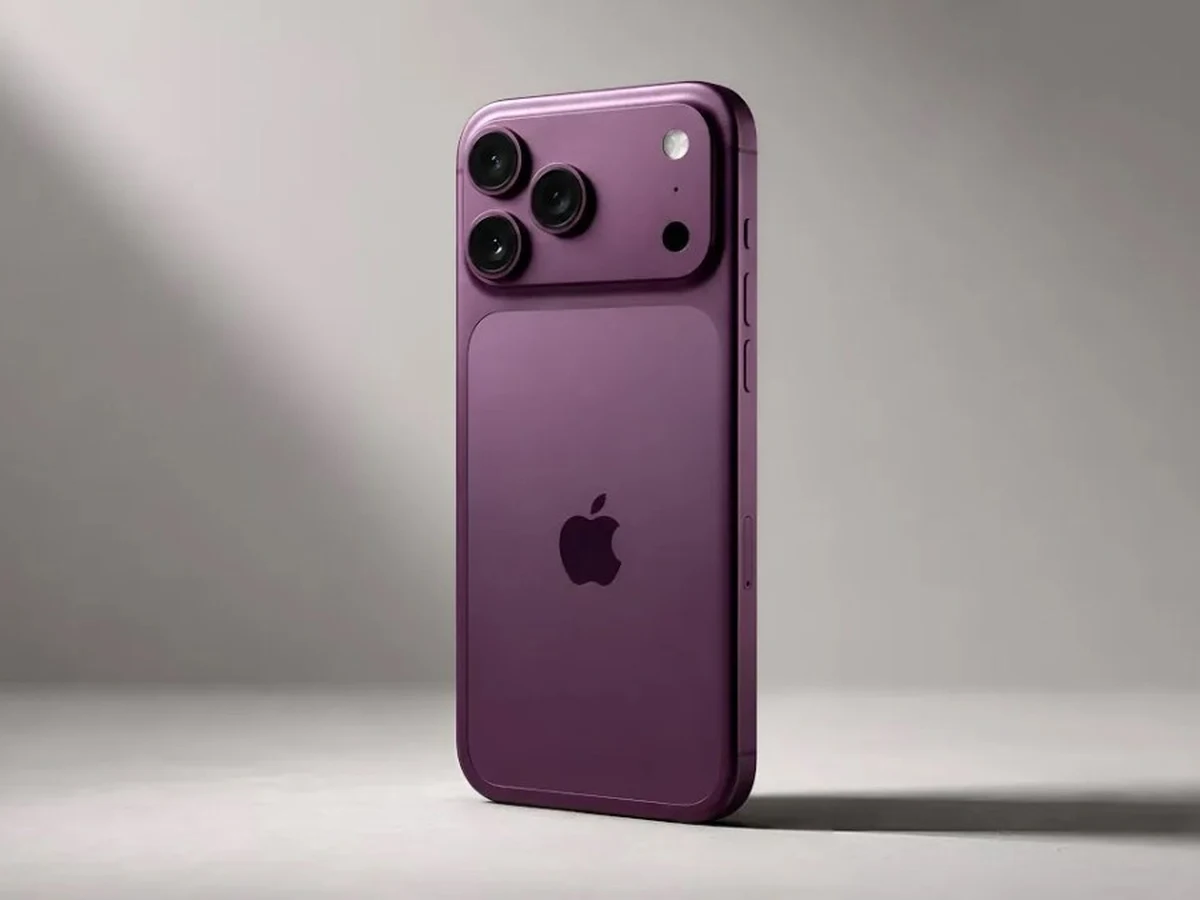
Image: Apple
iPhone 18 Pro Max
Launched in September 2026, the iPhone 18 Pro Max is the video creator’s iPhone. The triple 48MP Fusion camera system gains a variable-aperture main lens (ƒ/1.48 to ƒ/4) for real depth-of-field control, and the video pipeline is unmatched: 4K Dolby Vision at up to 120fps, ProRes RAW, Apple Log 2, and Genlock for multi-camera shoots. The 18MP Center Stage front camera is the best selfie video camera on any phone right now, the lens most vloggers actually use. With up to 45 hours of video playback claimed, it’s also the first iPhone you can shoot with all day without battery anxiety.
Technical Features
- 4K120 Dolby Vision, ProRes RAW, Apple Log 2, Genlock
- Triple 48MP Fusion cameras with variable aperture (ƒ/1.48-ƒ/4)
- 18MP Center Stage front camera, best selfie video on a phone
- A20 Pro chip (2nm) with 3x larger vapor chamber for sustained recording
- Up to 45 hours video playback; 50% charge in ~15 minutes
- 256GB-2TB storage; USB-C with 10Gb/s transfer
Pros
- Best video quality and codec options of any phone
- Superb front camera, the one vloggers use most
- Excellent microphones plus Audio Mix voice isolation
- Battery life finally matches a shooting day
- Straightforward editing workflow with Final Cut / CapCut on iOS
Cons
- Most expensive phone on this list
- No charger in the box; fast charging needs a 60W adapter
- Heavy at 249g, noticeable on a gimbal or selfie stick
2. Samsung Galaxy S26 Ultra: Best Android for vlogging
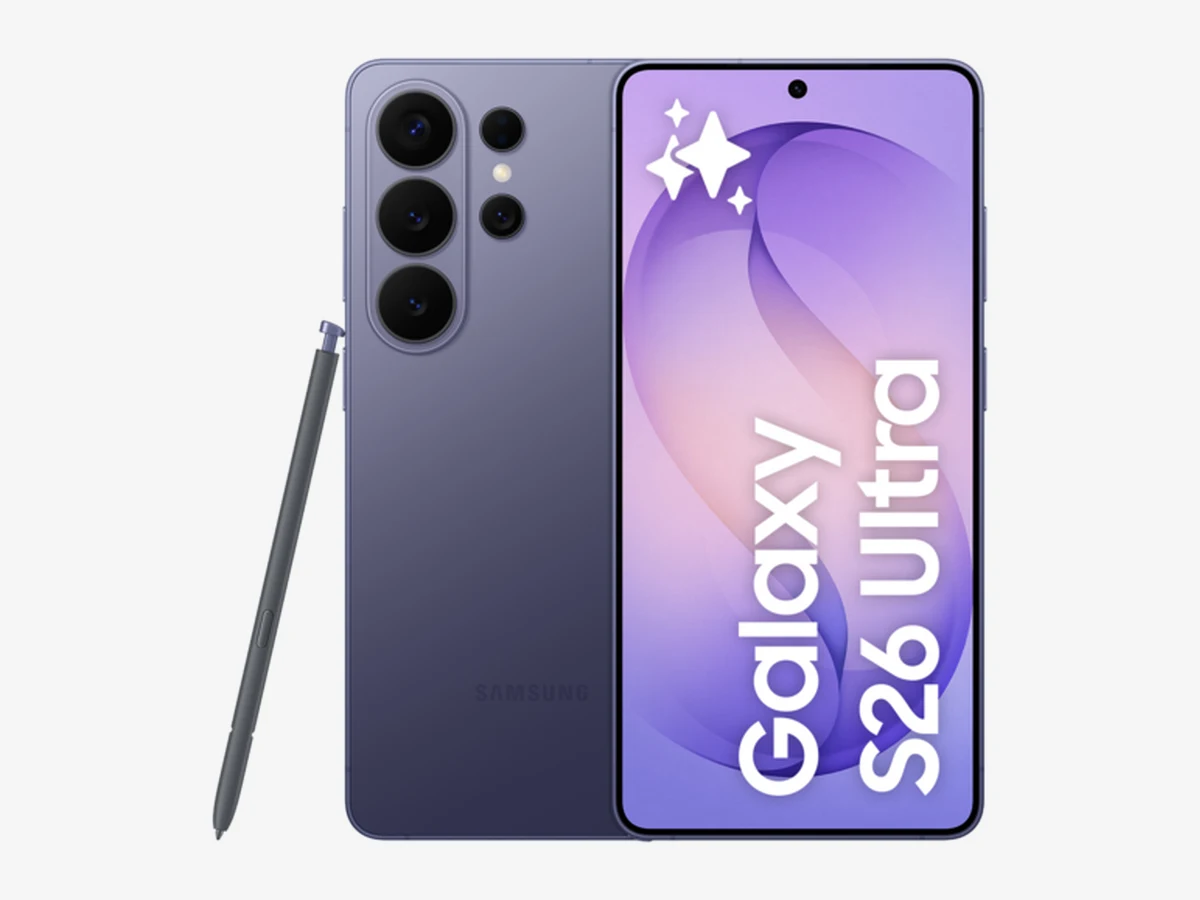
Image: Samsung
Samsung Galaxy S26 Ultra
The Galaxy S26 Ultra is the Swiss Army knife of vlogging phones. The 200MP main camera (now with a brighter ƒ/1.4 aperture) anchors a system with 8K30 and 4K120 video, dual telephoto lenses for dramatic zoom-while-filming shots, and Samsung’s upgraded Super Steady mode that holds a 360° horizontal lock, genuinely useful when you’re walking and talking. Auto Framing uses AI to keep you centered in 4K and 8K clips, which is like having a camera operator. The wider front camera makes group selfies and two-person vlogs far easier than on most phones.
Technical Features
- 8K30 and 4K120 video recording
- 200MP main camera (ƒ/1.4) + dual telephoto + 50MP ultrawide
- Wider front camera for group selfies and two-person vlogs
- Super Steady with 360° horizon lock; AI Auto Framing
- Nightography low-light video; Galaxy AI editing suite
- S Pen for precise editing on the go
- 5,000mAh battery
- IP68 water and dust resistance
- 2,600-nit peak display brightness
Pros
- Most versatile lens system of any phone here
- Excellent stabilization for walk-and-talk vlogs
- 8K gives huge reframing headroom in post
- Strong low-light video with Nightography
- S Pen is genuinely handy for timeline editing
Cons
- Video color science still trails iPhone consistency
- Large and heavy, a handful on long shooting days
- 8K files are enormous; you’ll want 512GB
3. iPhone 17: Best value iPhone
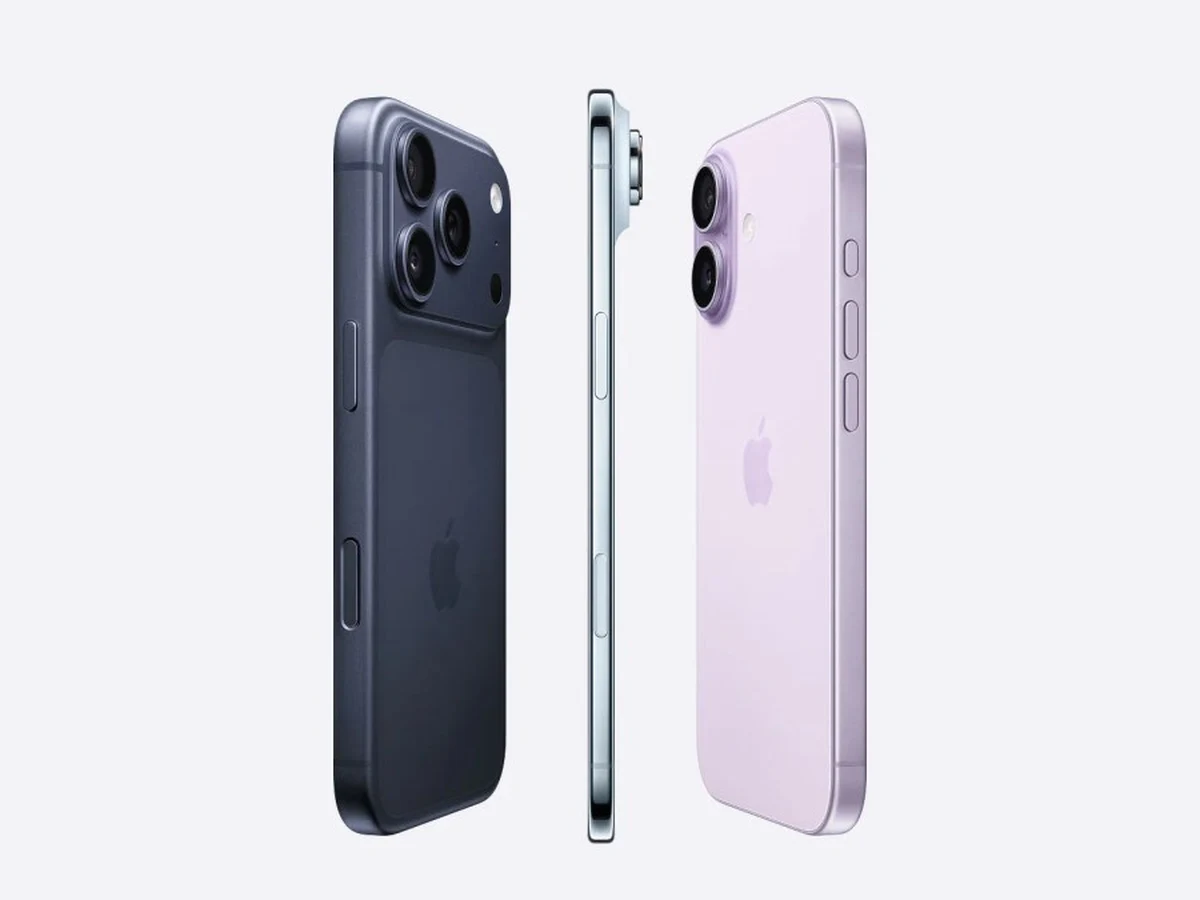
Image: Apple
iPhone 17
You don’t need the Pro Max to vlog on an iPhone. The standard iPhone 17 carries the same 18MP Center Stage front camera as its pricier siblings, shoots 4K Dolby Vision, and includes Action mode stabilization and Cinematic mode. What you give up is the 120fps slow motion, ProRes codecs, and the telephoto lens, none of which most vloggers will miss. With the iPhone 18 Pro launch pushing last year’s models down in price, the 17 is the smart-money iPhone for creators.
Technical Features
- 4K60 Dolby Vision video recording
- Dual 48MP rear cameras (main, ultrawide, 2x telephoto crop)
- 18MP Center Stage front camera with autofocus
- Action mode stabilization; Cinematic mode
- A19 chip; 256GB base storage
- 6.3-inch Super Retina XDR OLED, 120Hz
- Up to 30 hours video playback
- IP68 water and dust resistance
- 3,000-nit peak outdoor brightness
Pros
- Same excellent front camera as the Pro models
- Reliable, consistent video Apple is known for
- Much cheaper than the 18 Pro Max, especially now
- Compact and light for all-day handheld shooting
Cons
- No 4K120 slow motion or ProRes
- USB-C limited to USB 2 speeds, slow file transfers
- Smaller battery than the Pro Max
4. Google Pixel 10 Pro: Best AI video features
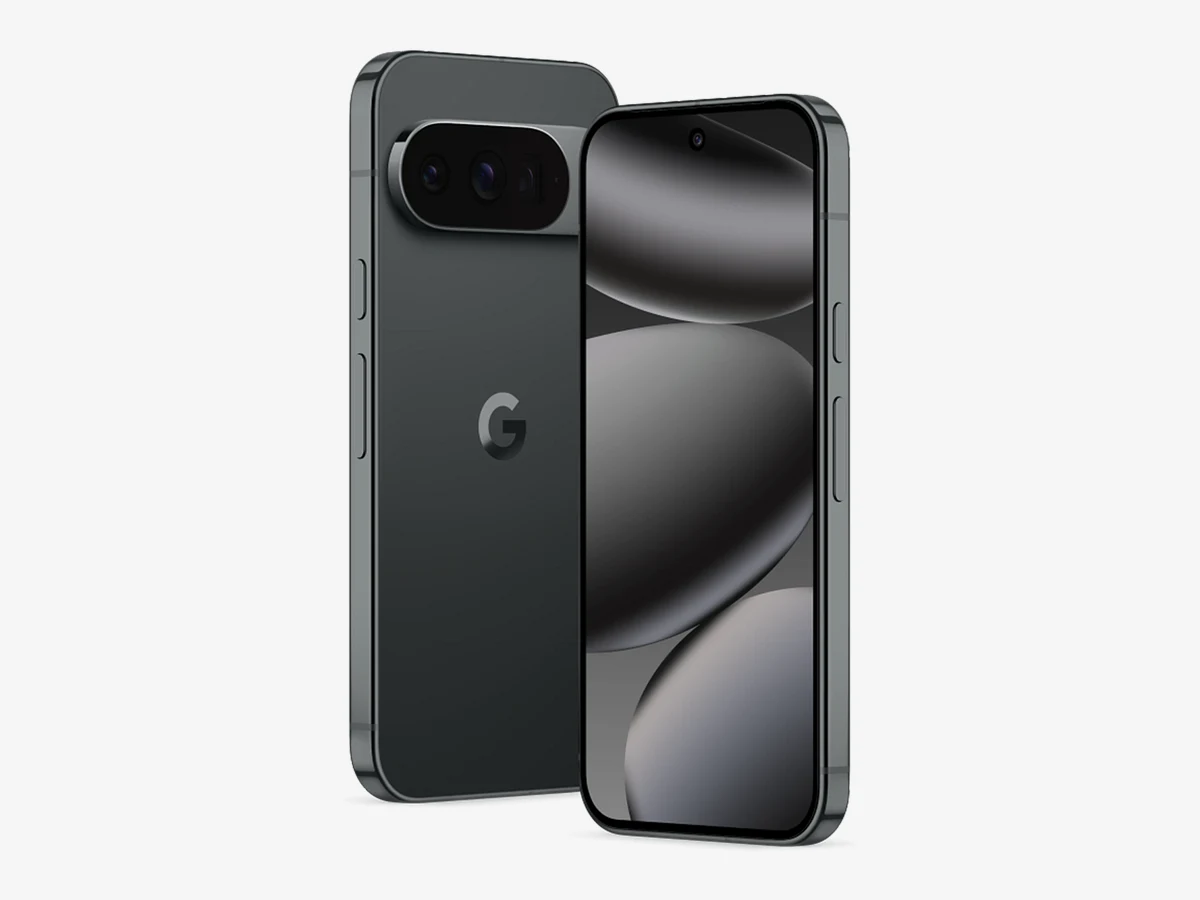
Image: Google
Google Pixel 10 Pro
The Pixel 10 Pro takes a different approach to vlogging. Instead of throwing hardware at the problem, Google’s Tensor G5 and computational pipeline clean up your footage. Video Boost processes clips in the cloud for dramatically better color and detail, Night Sight video is genuinely best-in-class after dark, and the 42MP autofocus front camera is the highest-resolution selfie camera on this list. The 5x optical telephoto gives you real reach, and at 6.3 inches it’s comfortable to hold at arm’s length all day.
Technical Features
- 4K60 video with Video Boost cloud enhancement
- 50MP main + 48MP ultrawide + 48MP 5x telephoto
- 42MP autofocus front camera
- Night Sight video, best low-light video on Android
- Tensor G5 chip; 8K upscaled video mode
- 6.3-inch Super Actua OLED, 3,300-nit peak brightness
Pros
- Best low-light video of any Android phone
- Video Boost genuinely improves footage quality
- Excellent selfie camera with autofocus
- Bright, sunlight-readable display for outdoor framing
- Often discounted well below launch price
Cons
- No 4K120 slow-motion mode
- Video Boost requires uploading and waiting
- Tensor G5 trails Snapdragon in sustained performance
5. Samsung Galaxy S26: Best compact Android flagship
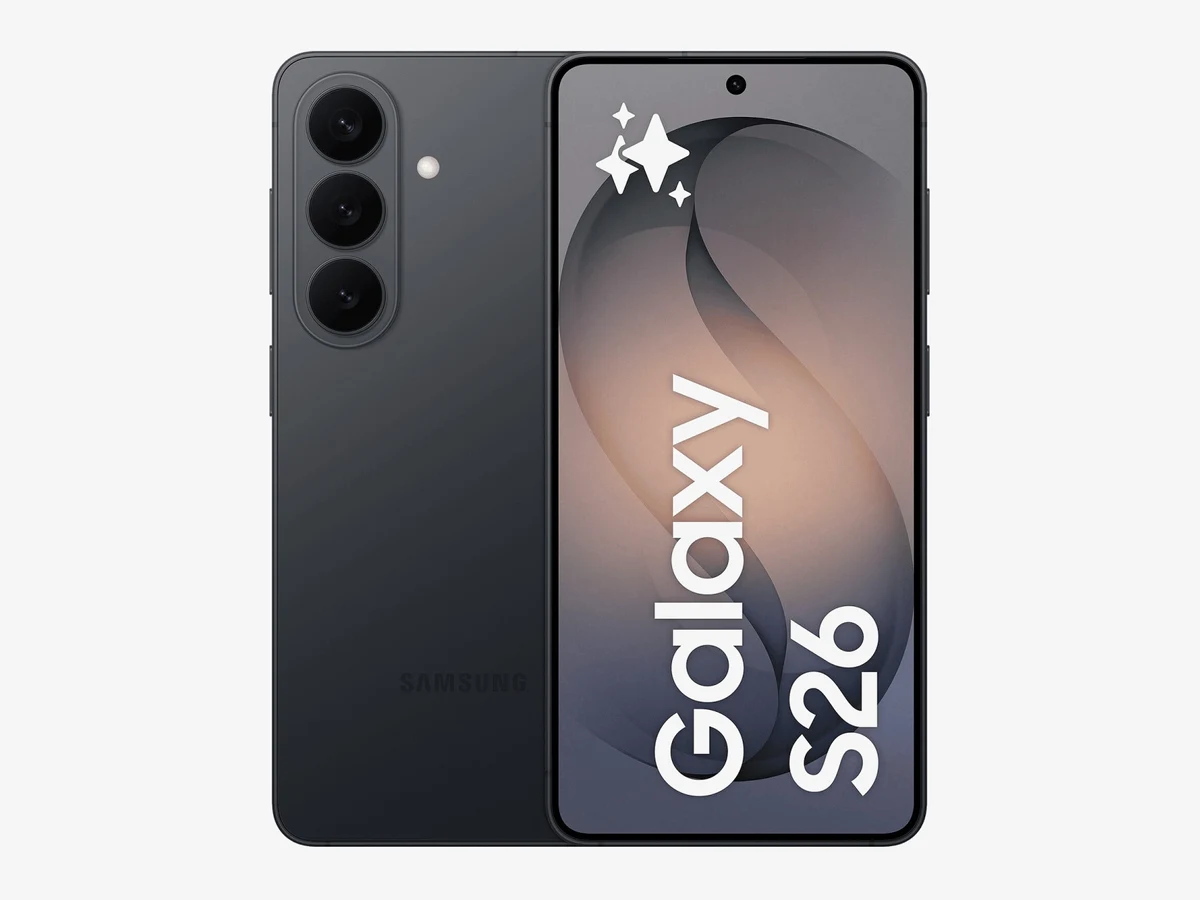
Image: Samsung
Samsung Galaxy S26
The standard Galaxy S26 is the vlogger’s Android sweet spot. It inherits the S26 Ultra’s headline video tricks (8K30, 4K120, the upgraded Super Steady with 360° horizon lock, AI Auto Framing) in a compact 6.3-inch body that weighs just 167 grams, a real difference when you’re holding a phone at arm’s length for hours. The 50MP main camera with its bright ƒ/1.8 aperture handles low light well, and the 12MP front camera shoots 4K60 for crisp talking-head footage.
Technical Features
- 8K30 and 4K120 video recording
- 50MP main (ƒ/1.8) + 12MP ultrawide + 10MP 3x telephoto
- 12MP front camera with 4K60 video
- Super Steady with 360° horizon lock; Auto Framing
- Only 167g, lightest flagship-class vlogging phone here
- 4,300mAh battery; 256GB/512GB storage
- 6.3-inch Dynamic AMOLED 2X display
- IP68 water and dust resistance
- 15W wireless charging
Pros
- Flagship video features in a genuinely compact body
- Excellent stabilization for its size
- Bright ƒ/1.8 main lens for low light
- Cheaper than the Ultra by a wide margin
Cons
- 4,300mAh battery is modest for heavy recording days
- 25W charging feels slow in 2026
- No S Pen for on-the-go editing
6. Sony Xperia 1 VII: Best for filmmakers
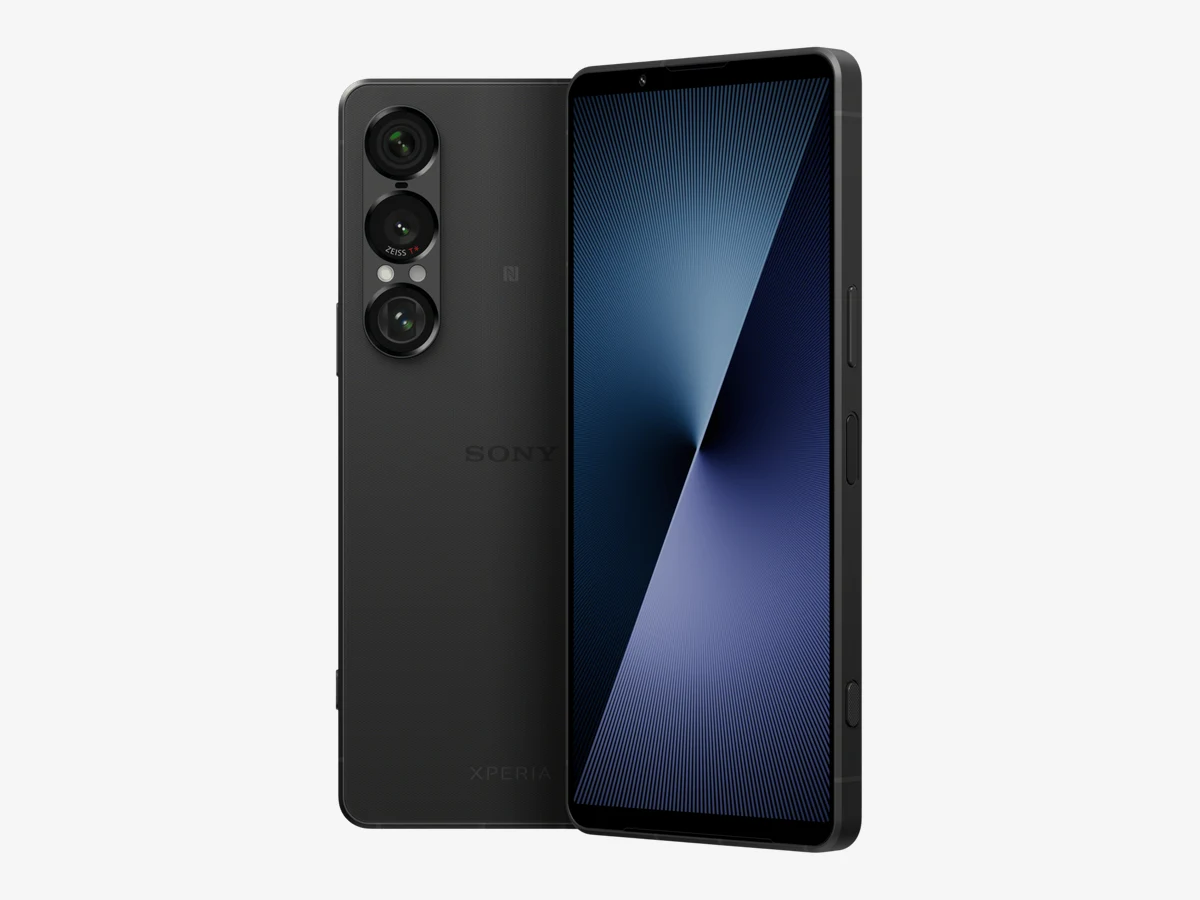
Image: Sony
Sony Xperia 1 VII
The Xperia 1 VII is the odd one out here, and that’s its strength. Where other phones automate everything, Sony gives you a videographer’s toolkit: 4K120 recording across all rear lenses, shutter speed / ISO / white balance dialed in by hand, focus peaking, zebras, and Cinema Pro apps with 21:9 framing and color profiles inspired by Sony’s VENICE cinema cameras. It also keeps the features creators actually miss elsewhere: a 3.5mm headphone jack for monitoring audio and a microSD slot for endless storage. It’s a niche pick. But for a specific kind of vlogger, nothing else comes close.
Technical Features
- 4K120 video on all rear lenses
- Full manual controls: shutter, ISO, white balance, focus peaking
- Cinema Pro apps with VENICE-inspired color profiles
- 3.5mm headphone jack for audio monitoring
- microSD slot, storage as cheap as you want it
- 6.5-inch FHD+ OLED display (19.5:9) for cinematic framing
- 5,000mAh battery
- IP65/IP68 water and dust resistance
- 30W wired and 15W wireless charging
Pros
- Unmatched manual video control on a phone
- Cinema-grade color and 21:9 framing
- Headphone jack + microSD solve two creator pain points
- Excellent battery life for recording days
Cons
- Expensive and harder to find than mainstream flagships
- Auto mode lags behind iPhone/Pixel point-and-shoot ease
- Overkill if you just want to press record
7. Google Pixel 10a: Best budget pick
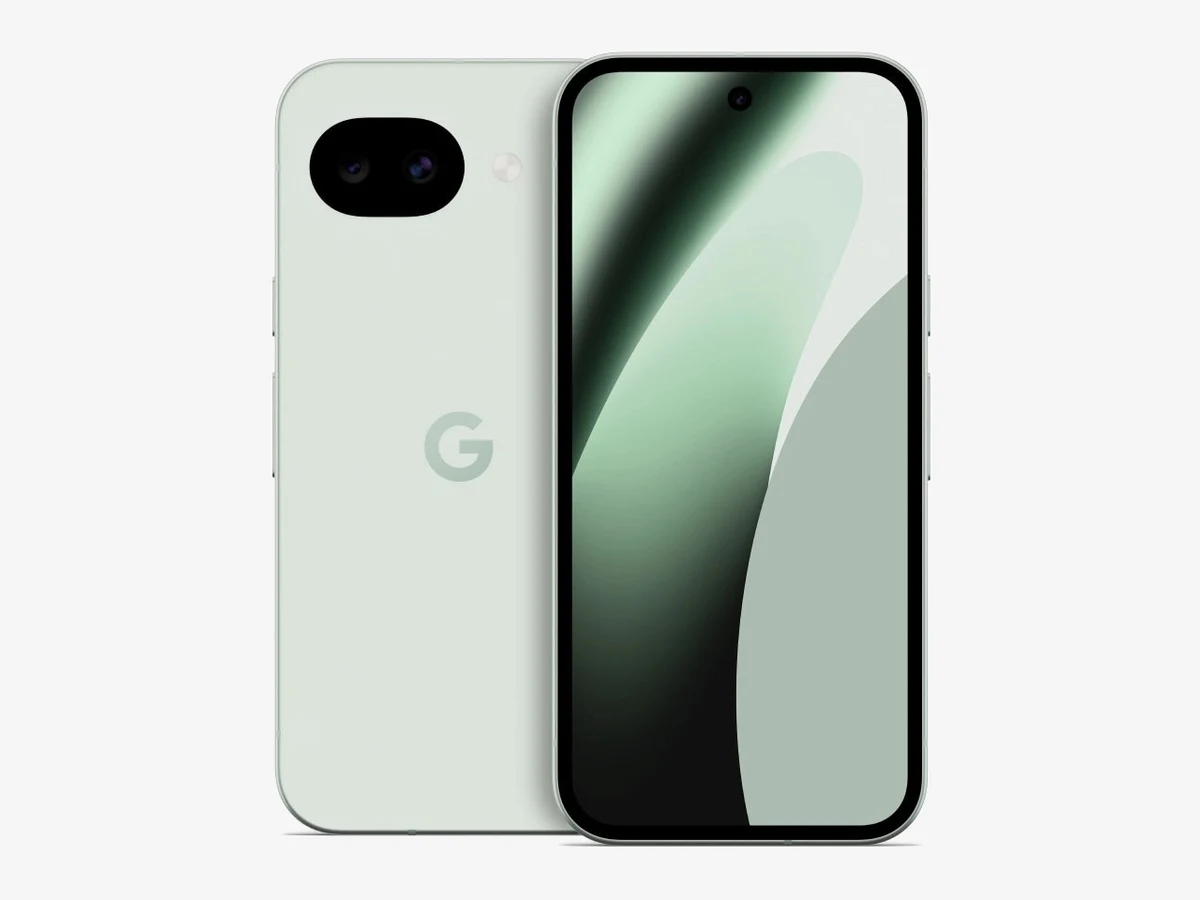
Image: Google
Google Pixel 10a
Here’s the honest truth about vlogging phones: a budget Pixel paired with a decent wireless mic will outperform a flagship relying on its built-in microphones every single time. The Pixel 10a brings Google’s computational photography, Night Sight, and 4K60 video down to budget territory, with 30+ hour battery life to survive long shooting days. Spend what you save on a mobile vlogging kit, mic, tripod, light, and you’ll look and sound more professional than most flagship-only creators.
Technical Features
- 4K60 video recording
- 48MP main camera with Google’s computational pipeline
- Night Sight for clean low-light footage
- Tensor G4 chip with Gemini AI features
- IP68 water and dust resistance
- 5,100mAh battery
- 6.3-inch Actua display, 60-120Hz
- 128GB or 256GB storage
Pros
- Best camera quality per dollar on this list
- Excellent low-light video for the price
- Leaves budget for mic, tripod, and lighting
- Long software support from Google
Cons
- No telephoto lens
- No 4K120 slow motion
- Slower charging than flagships
Buying guide: choosing a vlogging phone in 2026
The front camera is the spec that matters most
Most vlogging is filmed on the front camera, talking to the lens, walking tours, reaction shots. Yet almost every phone review obsesses over rear cameras. Flip your priorities: look for 4K front video (all seven picks here have it), autofocus on the selfie camera (iPhone 17/18 series and Pixel 10 Pro have it; many phones still use fixed focus), and a wide field of view so your background tells a story too. The iPhone 18 Pro Max’s 18MP Center Stage camera and the Pixel 10 Pro’s 42MP autofocus unit are the current benchmarks.
Stabilization decides whether your footage is watchable
Walk-and-talk is the default vlogging shot, and shaky footage kills retention. Every phone on this list has strong stabilization: Apple’s Action mode, Samsung’s Super Steady with 360° horizon lock, Google’s fused stabilization. The practical differences show up at the edges, running, stairs, low light, where sensor-shift OIS (iPhones, Galaxy S26 series) beats purely electronic systems. If you film a lot of movement, prioritize phones with optical stabilization and shoot a test walk before any important trip.
Audio is the upgrade that matters more than any camera spec
Phone microphones have improved: Apple’s Audio Mix voice isolation and multi-mic arrays are genuinely good, but they’re still tiny mics far from your mouth, picking up wind and room echo. A wireless mic system like the DJI Mic or Rode Wireless series clips to your shirt and transforms your sound for about a tenth of a flagship’s price. See our mobile vlogging kit guide for mic, tripod, and light combinations that pair with any phone here.
Battery and heat decide how long you can shoot
Headline battery figures are playback numbers, not recording numbers. The iPhone 18 Pro Max’s 45 hours of video playback might stretch across a long day of mixed shooting, but continuous 4K120 or 8K recording drains any phone far faster and warms it up as it goes. That is why cooling hardware matters to vloggers: the much larger vapor chamber in the iPhone 18 Pro Max and the redesigned cooling in the Galaxy S26 series exist to stretch long takes before heat forces a break. Screen brightness is the other silent drain, and filming outdoors at full brightness on a hot day is the fastest route to a thermal warning.
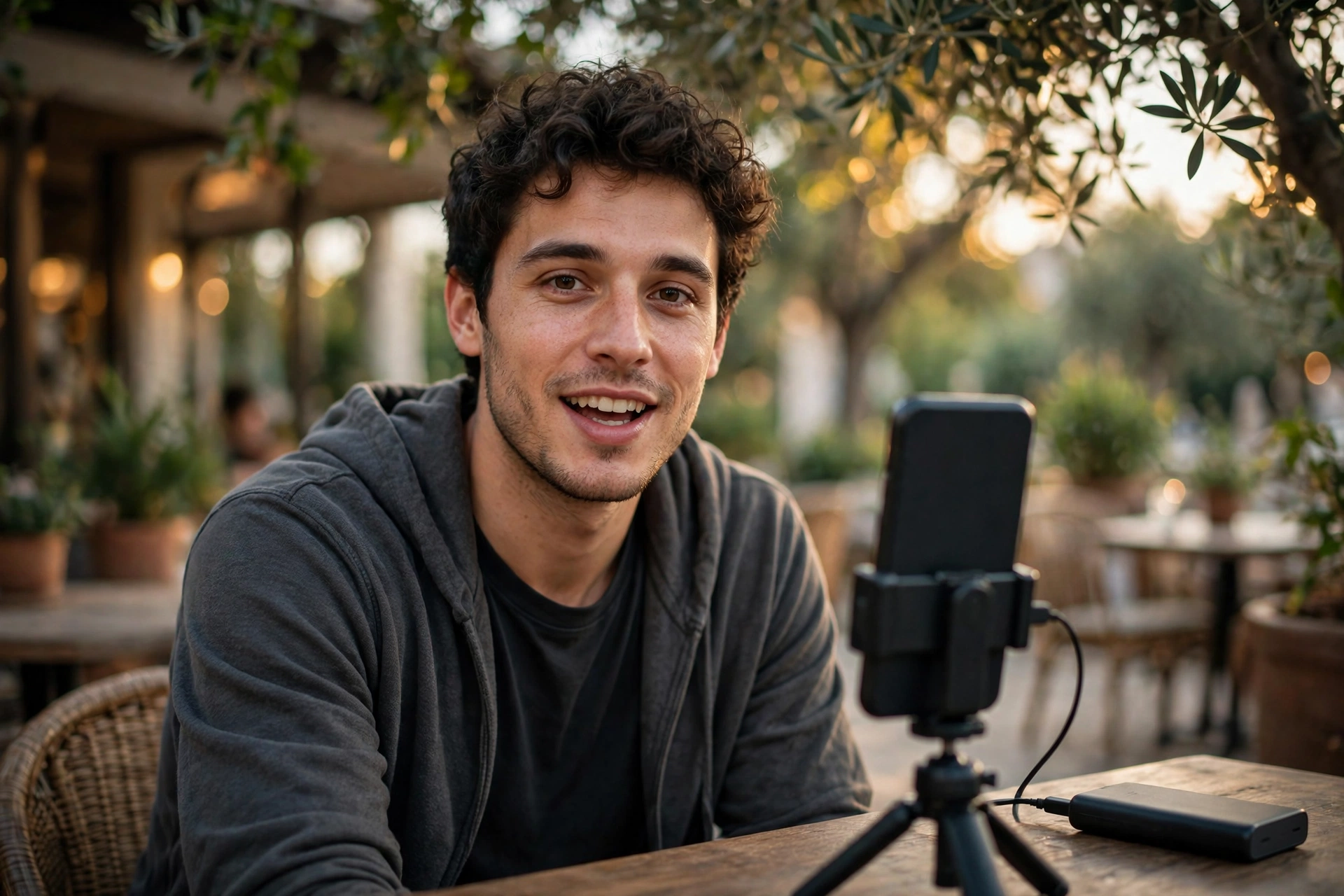
Work around it rather than fighting it. Shoot in bursts instead of one endless take, keep the phone shaded between setups, and carry a power bank for top-ups while you move between locations. Fast charging is worth more to a vlogger than a slightly larger battery: a phone that recovers half its charge during a coffee stop, as the iPhone 18 Pro Max does, keeps a travel day alive. If you regularly record long events, treat battery planning the way you treat storage, as something you sort out before the shoot rather than during it.
Storage fills faster than you think
This is the spec vloggers underestimate most. 4K120 and 8K multiply file sizes further, and cloud backup over hotel Wi-Fi is not a strategy. Apple’s iPhones now start at 256GB (a welcome change), Samsung offers 512GB tiers, and only the Xperia 1 VII still takes microSD cards. If you shoot daily, do the math before you buy: storage is the cheapest future-proofing there is.
iPhone vs Android for vlogging: the honest split
The platform split is real but narrower than it used to be. iPhones deliver the most consistent video across lighting conditions, the best slow motion, and the strongest editing ecosystem (Final Cut mobile, LumaFusion, CapCut all run beautifully on iOS). Android flagships counter with far more versatile cameras, the S26 Ultra’s zoom range has no iPhone equivalent, plus manual controls, expandable workflows, and aggressive pricing. If you already live in one ecosystem, switching platforms for marginally better video is rarely worth the friction.
How we chose
These picks are research-based curation, not hands-on testing. We evaluated every current flagship from Apple, Samsung, Google, and Sony against vlogging-specific criteria: front-camera video quality, stabilization, microphone performance, battery life under recording load, and storage options. We drew on manufacturer specifications, professional reviews from outlets like DXOMARK, Engadget, and Digital Trends, and real-world creator feedback. Phones were ranked for vlogging use specifically, which is why selfie camera quality and stabilization weigh more heavily here than in general camera-phone roundups. This guide is refreshed as new models launch; prices are never listed because they change constantly. Use the Amazon links to check current pricing.
Frequently asked questions
Can a phone really replace a vlogging camera in 2026?
For most vloggers, yes. A current flagship shoots 4K120 with stabilization that rivals dedicated cameras, edits full timelines in mobile apps, and uploads directly. Dedicated cameras still win for optical zoom, low-light depth, battery swappability, and ergonomics on long shoots. See our best vlogging cameras guide if you want a real camera. But if you’re choosing between a phone upgrade and a first camera, the phone usually wins on value.
iPhone or Android for vlogging?
iPhones win on video consistency, color reliability across lenses, slow motion, and editing apps. Android flagships (Galaxy S26 Ultra, Pixel 10 Pro) win on zoom versatility, manual controls, AI features, and price. For pure point-and-shoot vlogging reliability, iPhone still has the edge; for creative flexibility and value, Android is compelling. Either platform vlogs excellently in 2026.
Which phone has the best front camera for vlogging?
The iPhone 18 Pro Max’s 18MP Center Stage front camera is currently the best selfie video camera on a phone, with 4K Dolby Vision and autofocus. The Pixel 10 Pro’s 42MP autofocus front camera is the sharpest on paper, and the Galaxy S26 Ultra’s wider front lens is best for group or two-person vlogs. All three are excellent. The differences only show in challenging light.
How much storage do I need for vlogging on a phone?
256GB is the practical minimum: a minute of 4K60 uses roughly 400MB, so a heavy shooting weekend can consume 50GB or more. If you shoot 4K120 or 8K, or you vlog daily, get 512GB. Only the Sony Xperia 1 VII still offers microSD expansion, so choose carefully at purchase on every other phone.
Do I still need a gimbal with a modern phone?
For most vlogging, no. Electronic stabilization on current flagships handles walking footage smoothly, and modes like Apple’s Action mode or Samsung’s Super Steady cover everything short of running. A gimbal still helps for cinematic movement, long walking tours, and windy conditions. But try your phone’s stabilization first; you may find the money better spent on audio gear.
What’s the best budget phone for vlogging?
The Google Pixel 10a. It brings Google’s computational photography, Night Sight, and 4K60 video to a budget price, and the money you save buys a wireless mic and tripod, which will improve your videos more than any flagship upgrade. The iPhone 17e is the budget iPhone alternative if you’re in Apple’s ecosystem.
Can I use an external microphone with my phone?
Yes, and you should. Wireless systems like the DJI Mic or Rode Wireless GO connect via USB-C (or Lightning on older iPhones) and clip to your shirt for dramatically better audio than any built-in mic. For monitoring, the Xperia 1 VII’s headphone jack is handy; on other phones, use USB-C earbuds or monitor through your mic’s receiver. Our mobile vlogging kit guide covers complete audio setups.
Is 8K video worth it for vlogging?
Rarely as a delivery format. Almost nobody watches in 8K, and the files are enormous. Its real value is reframing: shooting 8K lets you crop, punch in, and stabilize in post while still exporting sharp 4K. If you do a lot of post-production reframing, the Galaxy S26 series’ 8K is genuinely useful; if you upload mostly unedited, 4K is plenty.
Should I shoot in log format on my phone?
Only if you plan to color grade. Log profiles (Apple Log 2 on the iPhone 18 Pro Max, Galaxy Log on the Galaxy S26 series, the Xperia 1 VII’s Cinema Pro tools) record flat, low-contrast footage that holds more dynamic range for grading, but it looks washed out straight off the phone and the files are bigger. If you upload with light edits, standard or Dolby Vision footage looks better with far less work. The Pixel 10 Pro has no native log profile; its equivalent detour is Video Boost, which improves footage after the fact instead of changing how you record it.
Should I film my vlogs in 4K or 1080p?
4K is the better default. It gives you room to crop, punch in, and reframe a horizontal clip into vertical video for Shorts and Reels while keeping the result sharp, and YouTube generally gives 4K uploads better playback quality. The cost is storage: a minute of 4K60 runs to roughly 400MB, against a fraction of that at 1080p. If you shoot quick vertical-first clips and upload the same day, 1080p is a perfectly sensible choice, and every phone on this list shoots excellent 1080p. Most vloggers settle on 4K for their main footage and save 1080p for throwaway clips.
How do I stop my phone overheating while recording?
Record in shade when possible, remove thick cases, avoid 4K120/8K for very long takes, and keep the screen brightness moderate. The iPhone 18 Pro’s vapor chamber and the Galaxy S26 series’ redesigned cooling handle sustained recording better than older phones, but every phone will eventually thermal-throttle in direct sun. Plan shade breaks on hot shooting days.
Should I buy the newest flagship or last year’s model?
Last year’s flagship is usually the smarter buy. Phones like the iPhone 17 and Pixel 10 Pro are now discounted while remaining excellent vlogging tools, the year-over-year video improvements are incremental for most creators. Buy the newest model only if you need its specific headline feature (like the 18 Pro Max’s 4K120 ProRes) or if discounts haven’t materialized yet.
If you’re weighing a phone against a dedicated camera, our best vlogging cameras of 2026 guide covers the other side, and our free editing software guide will help you cut whatever you shoot.
Keep exploring
A phone is only part of a mobile setup. Here’s the kit, audio, and dedicated-camera reading that builds on it.