
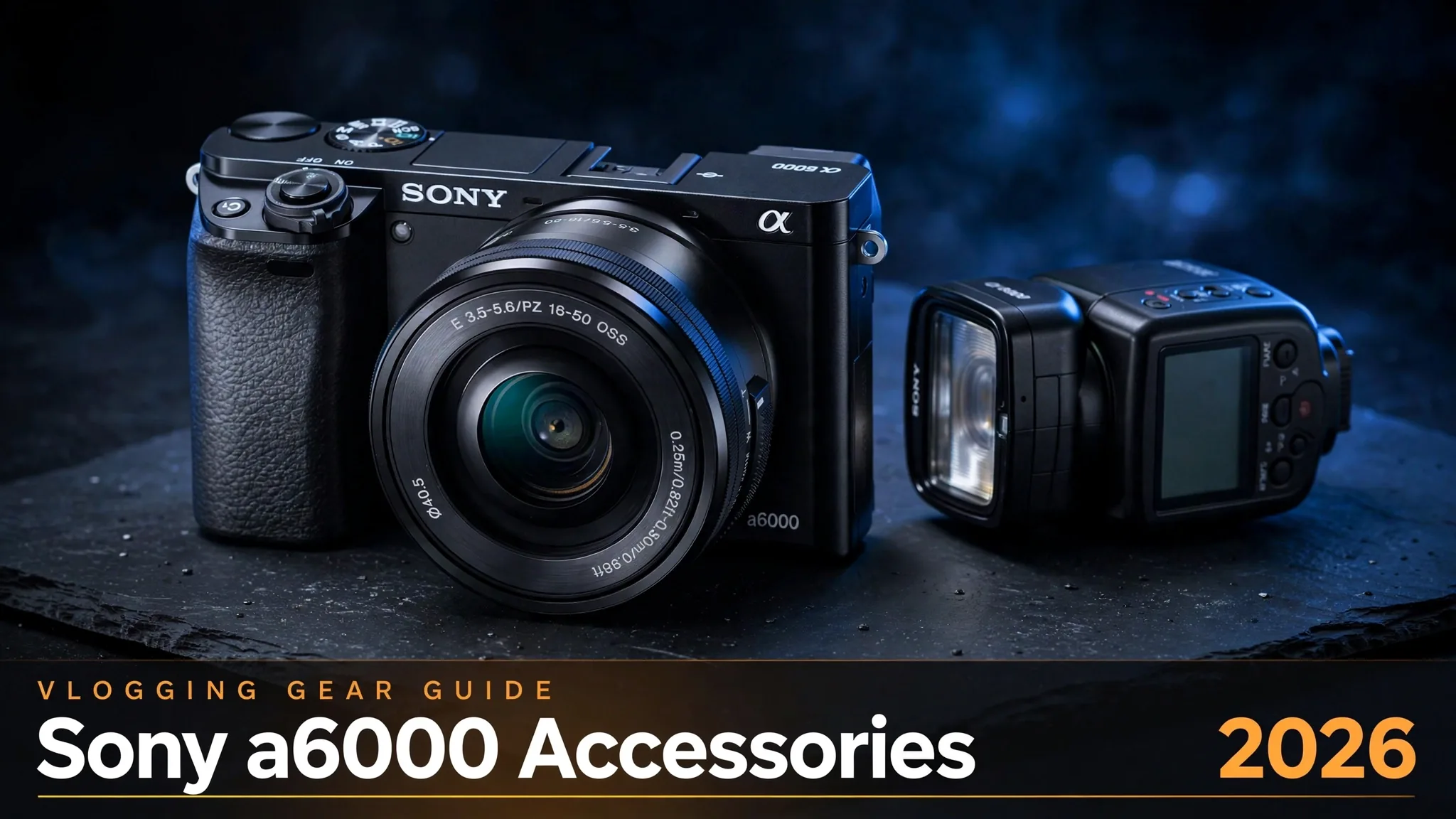
Last updated: October 2026
The Sony a6000 is twelve years old and still everywhere: it remains one of the most-owned mirrorless cameras among beginner creators, because used bodies cost less than a mid-range phone. If yours is pulling vlogging duty, two accessory categories matter more than anything else. First, a fast prime lens. It transforms both your thumbnails and your talking-head footage. Second, a flash for the thumbnail photography that gets those videos clicked. This guide covers the six that matter most in one place: three lenses and three flashes, ranked for creators.
One honest note before the picks: the a6000 is a stills camera pressed into video service. It tops out at 1080p, has no flip screen, and, critically, no microphone input. Nothing below fixes that; the workarounds are in the buying guide. What these accessories do fix is image quality: the difference between the kit lens and a fast prime is the single biggest visual upgrade an a6000 owner can buy.
As an Amazon Associate I earn from qualifying purchases.
Quick picks: the best Sony a6000 accessories
- Best portrait lens: Sigma 56mm f/1.4 DC DN: the classic 85mm-equivalent portrait look, razor sharp.
- Best budget lens: Sony E 50mm f/1.8 OSS: native mount, with stabilization for handheld video.
- Best for talking-head video: Sigma 30mm f/1.4 DC DN: wide enough for arm’s-length vlogging, fast enough for blur.
- Best flash: Godox TT350S: compact TTL flash made for Sony mirrorless.
- Best budget flash: Neewer TT560: dirt-cheap manual flash that just works.
- Best wireless manual flash: YONGNUO YN560 IV: built-in radio trigger for off-camera thumbnails.
On this page
Sony a6000 lenses and flashes compared
Three fast primes for image quality, three flashes for thumbnails: the Sigma 56mm is the portrait king, the 30mm is the vlogging pick, and the Godox TT350S is the only flash here that speaks full TTL with Sony.
| Accessory | Type | Key spec | Best for |
|---|---|---|---|
| Sigma 56mm f/1.4 DC DN | Portrait prime | 84mm equiv., f/1.4, 280 g | Portraits & thumbnails |
| Sony E 50mm f/1.8 OSS | Portrait prime | 75mm equiv., f/1.8, OSS | Budget native lens |
| Sigma 30mm f/1.4 DC DN | Normal prime | 45mm equiv., f/1.4, 265 g | Talking-head video |
| Godox TT350S | TTL flash | GN36, 2.4G wireless | Best flash overall |
| Neewer TT560 | Manual flash | GN38, single pin | Cheapest usable flash |
| YONGNUO YN560 IV | Manual flash | GN58, radio TX/RX built in | Off-camera flash |
The 6 best Sony a6000 accessories in 2026
Ranked for creators: optical quality and autofocus behavior for the lenses, Sony TTL compatibility and value for the flashes.
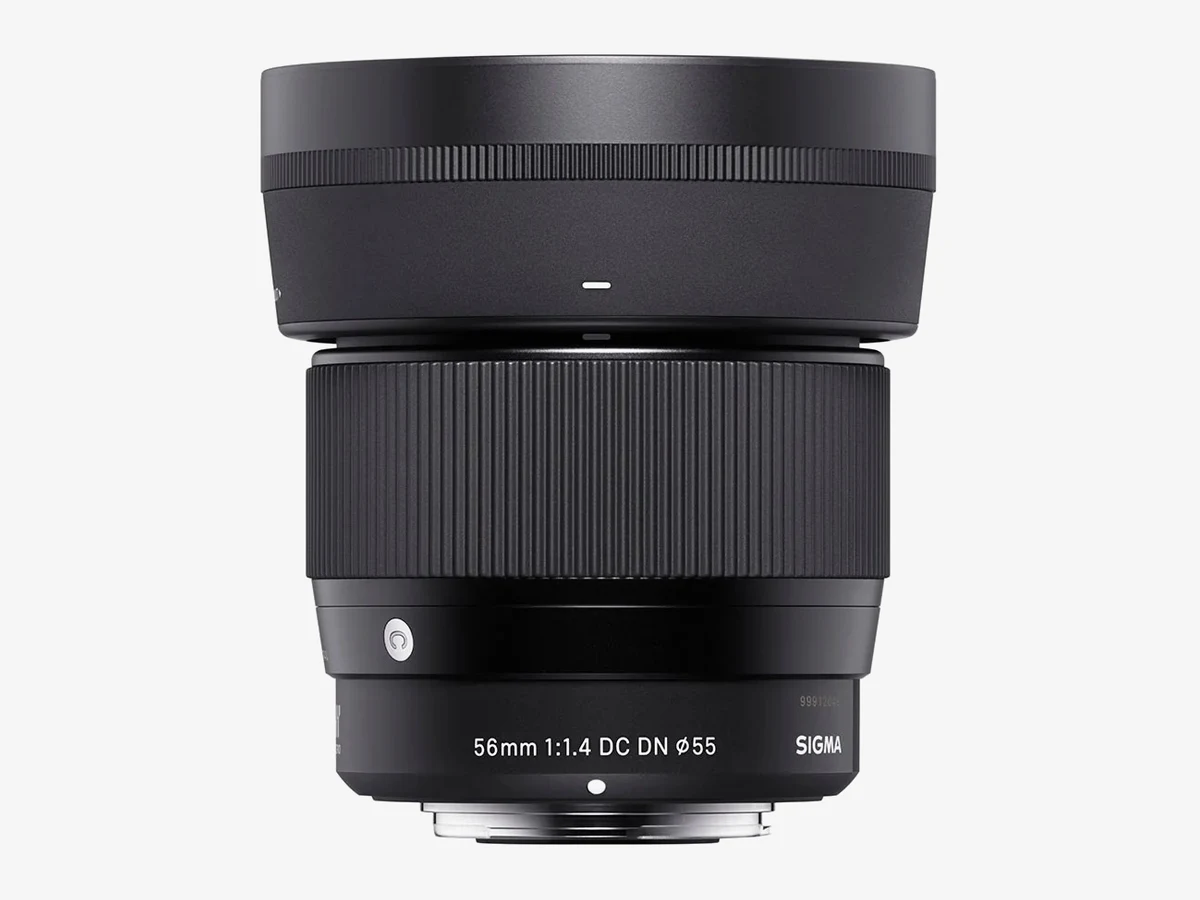
Image: Sigma
1. Sigma 56mm f/1.4 DC DN Contemporary
The definitive a6000 portrait lens: an 84mm-equivalent f/1.4 that delivers creamy background blur and biting sharpness for less than native glass.
This is the lens that makes people ask what camera you upgraded to. You did not upgrade. You just stopped using the kit lens. On the a6000’s APS-C sensor the 56mm frames like the classic 85mm portrait focal length, and the f/1.4 aperture melts backgrounds into cream while keeping eyes tack-sharp. Sigma’s stepping-motor autofocus is fast, accurate on the a6000, and, important for video, far quieter than Sony’s older 50mm f/1.8, so it will not buzz audibly into your recordings. For thumbnails, talking-head B-roll, and any portrait work, nothing near this price touches it.
The trade-offs: 56mm is tight indoors. At arm’s length it frames head-and-shoulders, not full scenes, so it is a portrait and thumbnail lens rather than a vlogging walkaround. And there is no stabilization, which matters on the a6000 since the body has none either; keep shutter speeds sensible or use a tripod.
Technical features
- Focal length: 56mm (84mm equivalent on APS-C)
- Aperture: f/1.4-f/16, 9 rounded blades
- Autofocus: stepping motor, fast and quiet
- Weight: 280 g; filter: 55mm
- Mount: Sony E (also available for other mounts)
- No optical stabilization
- Construction: 10 elements in 6 groups
- Close focus: 50 cm; max magnification 1:7.4
- Extras: dust and splash resistant mount seal; lens hood LH582-01 included
Pros
- Superb sharpness and background blur for the price
- Quiet autofocus, safe for video
- Light and compact for what it is
- Cheaper than Sony’s 85mm-class glass
Cons
- Too tight for indoor vlogging or walkaround
- No stabilization on a body that has none
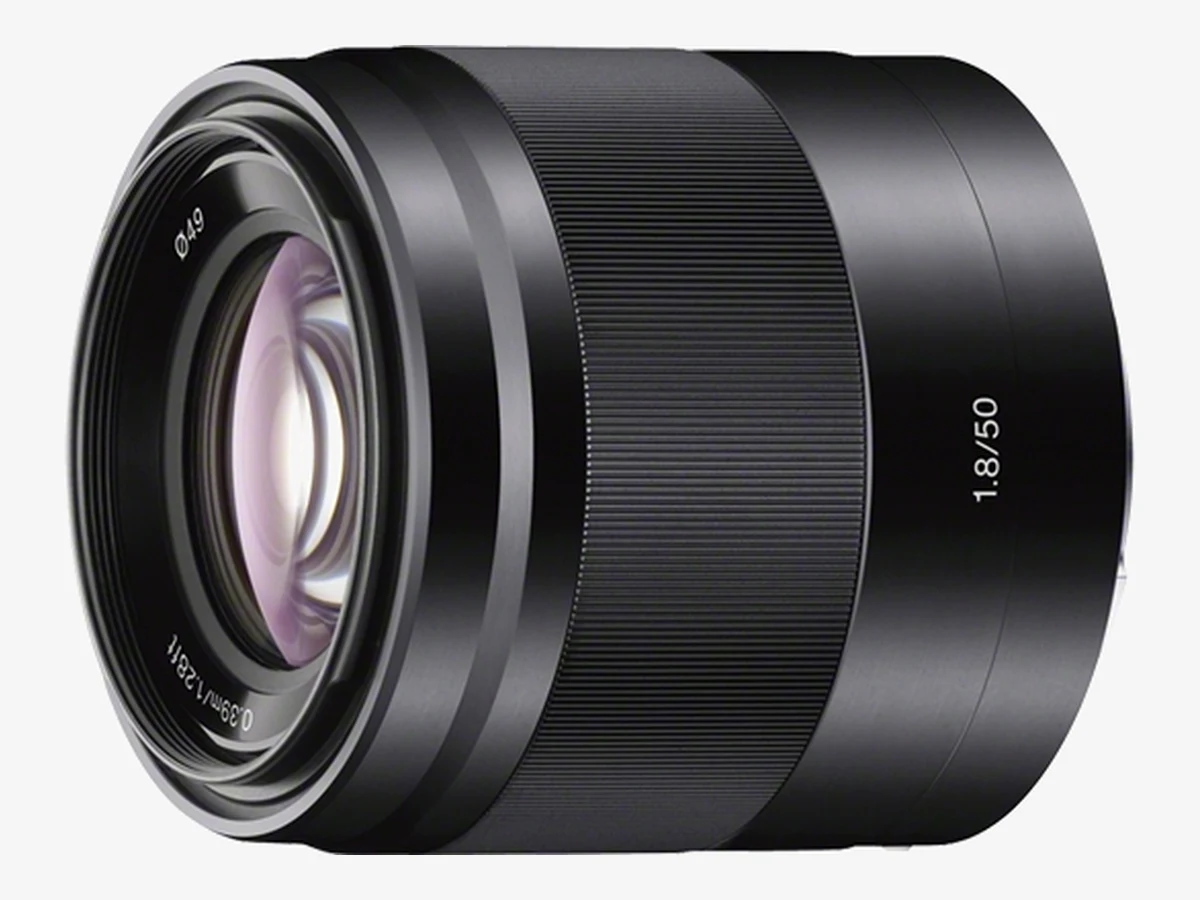
Image: Sony
2. Sony E 50mm f/1.8 OSS
The affordable native portrait prime. It is also the only fast prime here with optical stabilization, which matters a lot on the IBIS-free a6000.
Sony’s 50mm f/1.8 is the classic first prime for a reason: 75mm-equivalent portraits with real background blur, native E-mount communication, and Optical SteadyShot built into the lens. That stabilization is the headline feature for video shooters. The a6000 has no in-body stabilization, so OSS is the difference between usable handheld footage and mush. Image quality is very good though not Sigma-56mm great, and as a native lens it plays perfectly with the a6000’s autofocus system.
Where it falls short: the autofocus motor is an older, noisier design. You may hear it hunting in quiet video recordings, so it is better suited to portraits and thumbnails than to talking-head video with live audio. And f/1.8 gathers noticeably less light than f/1.4, which shows in dim rooms.
Technical features
- Focal length: 50mm (75mm equivalent on APS-C)
- Aperture: f/1.8-f/22, 7 rounded blades
- Stabilization: Optical SteadyShot (in-lens)
- Autofocus: DC motor (audible in quiet video)
- Weight: 202 g; filter: 49mm
- Mount: Sony E, native
- Construction: 9 elements in 8 groups
- Close focus: 0.39 m; max magnification 0.16x
- Focusing: internal focusing with Direct Manual Focus; hood ALC-SH116 included
Pros
- Only fast prime here with stabilization
- Native mount, reliable autofocus
- Very affordable for a portrait prime
- Light and tiny
Cons
- Noisy AF motor, audible in video
- A step behind the Sigma 56mm optically
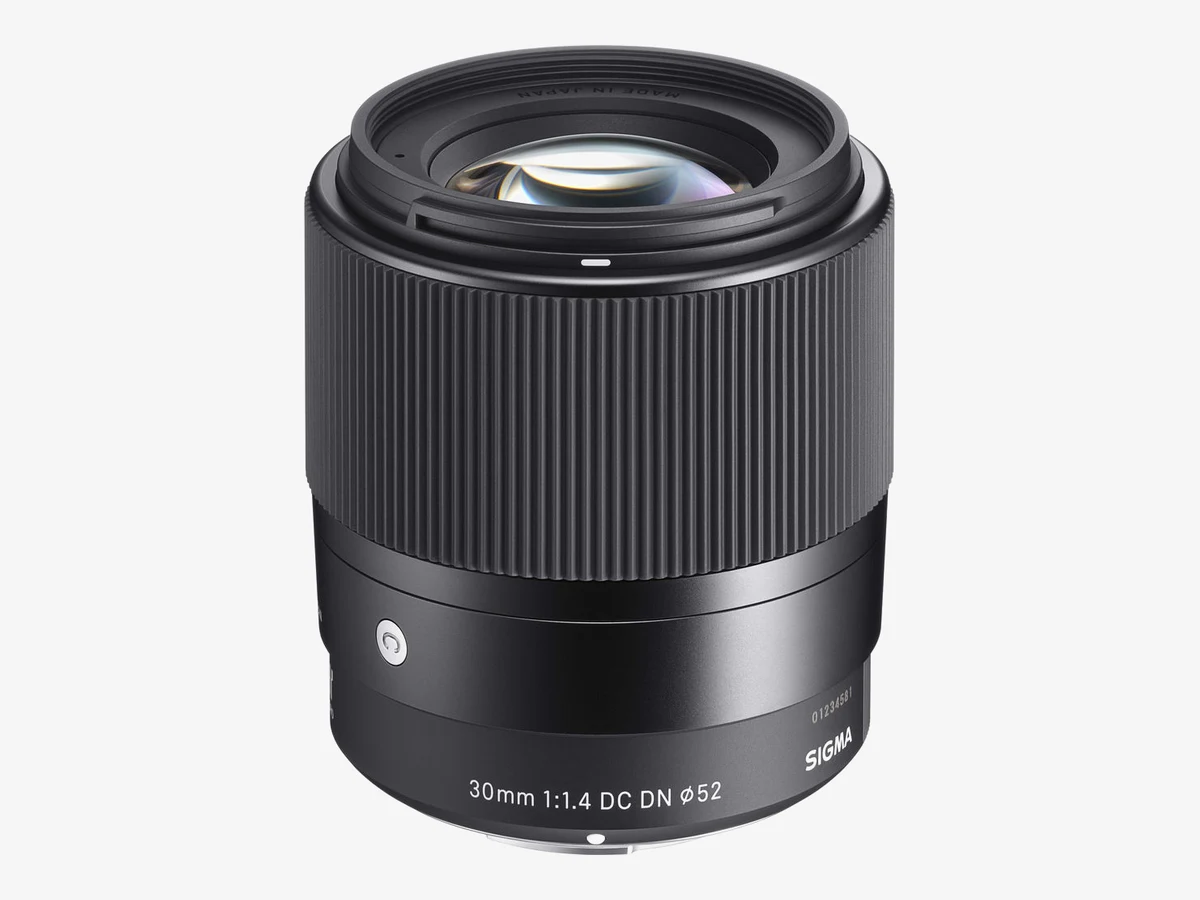
Image: Sigma
3. Sigma 30mm f/1.4 DC DN Contemporary
The vlogger’s prime: a 45mm-equivalent f/1.4 wide enough for arm’s-length talking-head shots, fast enough for real background blur.
If the 56mm is the portrait specialist, the 30mm is the daily driver. At 45mm equivalent it frames like a classic “normal” lens: natural perspective, wide enough to vlog at arm’s length or across a desk, tight enough to flatter faces. The f/1.4 aperture gives genuine subject separation for talking-head videos and keeps ISO low in dim rooms, which matters on the a6000’s older sensor. Like its 56mm sibling it uses a quiet stepping motor, so autofocus will not intrude on your audio.
The trade-offs: 30mm is still not wide for walk-and-talk vlogging. For that you want something in the 16 to 20mm range. And again no stabilization, so pair it with a tripod or accept the handheld wobble. If you can only buy one lens for a vlogging a6000, this focal length is the most versatile choice.
Technical features
- Focal length: 30mm (45mm equivalent on APS-C)
- Aperture: f/1.4-f/16, 9 rounded blades
- Autofocus: stepping motor, fast and quiet
- Weight: 265 g; filter: 52mm
- Mount: Sony E (also available for other mounts)
- No optical stabilization
- Construction: 9 elements in 7 groups
- Close focus: 30 cm; max magnification 1:7
- Angle of view: 50.7 degrees
Pros
- Ideal focal length for talking-head vlogging
- f/1.4 for blur and low light
- Quiet AF safe for video
- Excellent value
Cons
- Not wide enough for walk-and-talk vlogging
- No stabilization
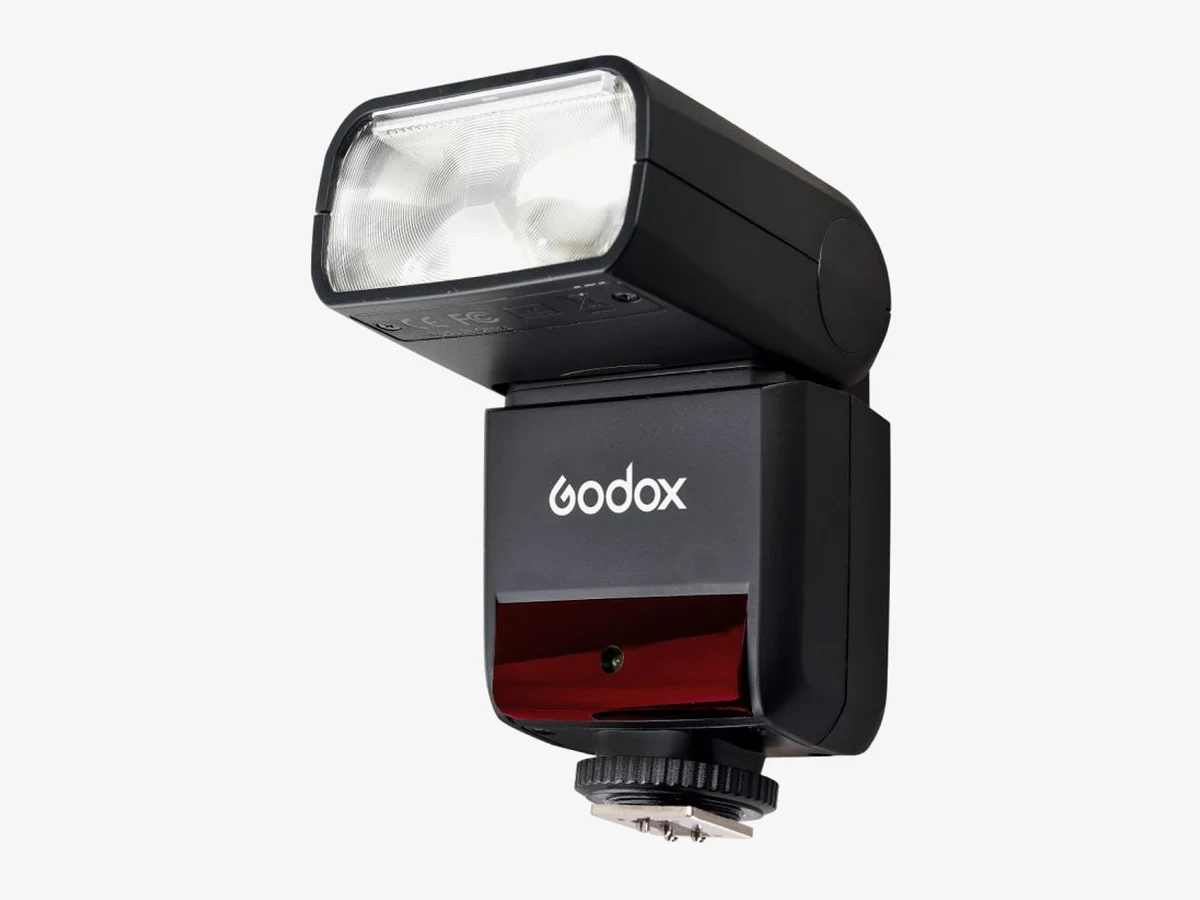
Image: Godox
4. Godox TT350S
A proper TTL flash sized for mirrorless: it meters with the a6000 automatically, and the 2.4G radio system grows into off-camera setups later.
The TT350S is the flash to beat in this lineup: a compact speedlite with Sony TTL, meaning the camera and flash agree on exposure automatically instead of you guessing manual power. Guide number 36 is plenty for indoor thumbnails and portraits, and it runs on two AA batteries. The real reason to buy Godox over the cheaper options is the ecosystem. The built-in 2.4GHz radio talks to Godox triggers and bigger strobes, so this little flash becomes the commander of an off-camera setup when your thumbnails get ambitious.
The catch: it costs more than the manual-only flashes below, and GN36 will not overpower noon sun. For indoor creator work, though, it is the right size and the right system.
Technical features
- Type: TTL speedlite for Sony (Multi Interface Shoe)
- Guide number: 36 (ISO 100, 105mm)
- Wireless: 2.4GHz Godox X system, master/slave
- Modes: TTL, manual, multi (stroboscopic)
- Power: 2x AA batteries
- Head: tilts and swivels for bounce flash
- Zoom: 24 to 105mm (14mm with the wide-angle panel)
- Recycle: 0.1 to 2.2 s; approx 210 full-power flashes on 2500mAh Ni-MH batteries
- High-speed sync: up to 1/8000s; flash duration 1/350 to 1/20000s
Pros
- True Sony TTL: automatic exposure
- Compact size suits mirrorless bodies
- Radio system grows with you
- Bounce head for soft indoor light
Cons
- Pricier than manual flashes
- Not powerful enough to beat bright daylight
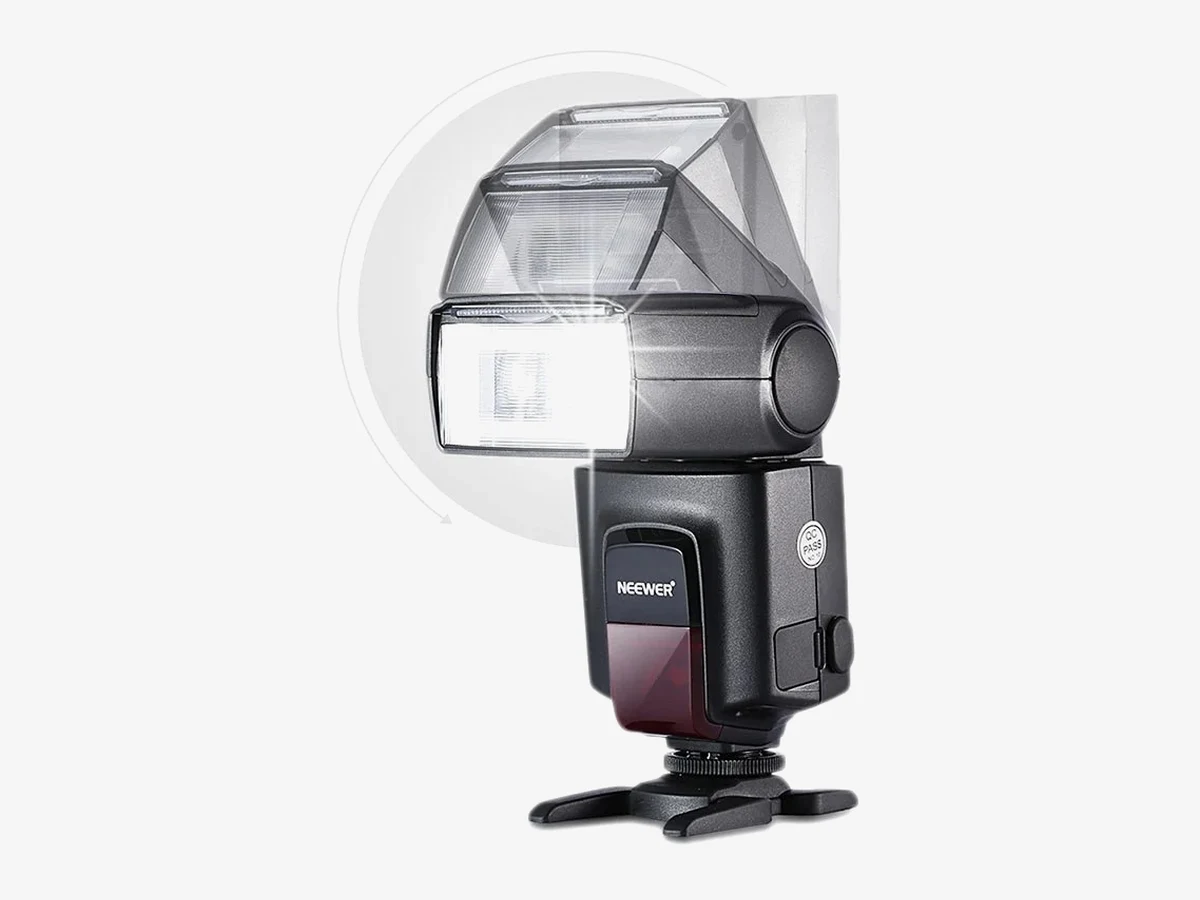
Image: Neewer
5. Neewer TT560
The cheapest flash worth owning: fully manual, surprisingly powerful, and all most thumbnail shooters will ever need.
The TT560 is the flash equivalent of a hammer. No TTL, no wireless, no screen menus to learn. You set the power (1/1 down to 1/128), it fires. Guide number 38 is actually stronger than the Godox above, and the single-pin hot shoe means it works on virtually any camera, so it survives your eventual upgrade from the a6000. For learning flash photography and for straightforward thumbnail lighting, manual is arguably better anyway: consistent, repeatable, and it forces you to understand what you are doing.
The trade-offs: no TTL means every lighting change is a manual adjustment. Slow for events, fine for posed thumbnails. And with no built-in radio you will need separate triggers for off-camera work (optical slave mode works in a pinch indoors).
Technical features
- Type: manual speedlite, single-pin hot shoe
- Guide number: 38 (ISO 100)
- Power range: 1/1 to 1/128 in steps
- Modes: manual + optical slave (S1/S2)
- Head: tilts and swivels for bounce flash
- Universally compatible, so it survives camera upgrades
- Power: 4x AA batteries (alkaline or Ni-MH)
- Recycle: approx 0.1 to 5 s; flash duration 1/300 to 1/20000s
- Size: 190 x 75 x 55 mm; weight 286 g
Pros
- Extremely affordable
- Strong output for the price
- Simple, with nothing to go wrong
- Works on any camera you buy next
Cons
- No TTL, manual exposure only
- No built-in radio triggering
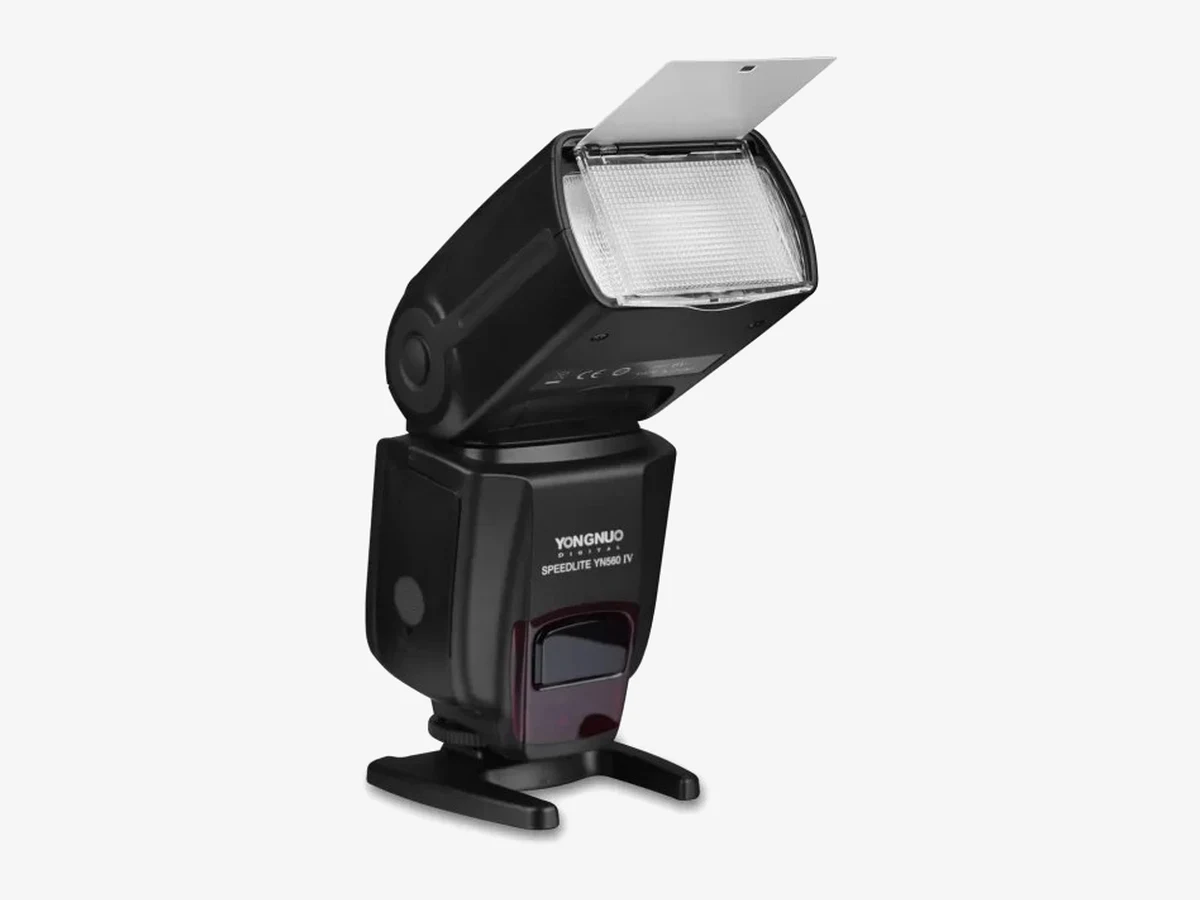
Image: Yongnuo
6. YONGNUO YN560 IV
A manual flash with a radio commander and receiver built in. This is the cheapest path to proper off-camera thumbnail lighting.
The YN560 IV takes the TT560’s manual simplicity and adds what it was missing: a built-in 2.4GHz radio system that both transmits and receives. One YN560 IV on your a6000 can trigger and control the power of other YN560-series flashes off-camera (softbox to the side, rim light behind) with no extra triggers to buy. Guide number 58 makes it the most powerful flash here, and the large LCD makes manual settings painless. For creators building a small thumbnail studio, two of these plus cheap light stands is a complete setup.
Downsides: still no TTL, so it demands the same manual-exposure learning curve as the Neewer. And Yongnuo’s build quality is functional rather than luxurious. It is a workhorse, not jewelry.
Technical features
- Type: manual speedlite with built-in radio TX/RX
- Guide number: 58 (ISO 100, 105mm), the most powerful here
- Wireless: 2.4GHz, 16 channels, 3 groups
- Modes: manual + optical slave; large LCD
- Power: 4x AA batteries
- Head: tilts and swivels for bounce flash
- Zoom: 24 to 105mm
- Recycle: approx 3 s; flash duration 1/200 to 1/20000s
- Ports: PC sync port and external power port
Pros
- Radio control built in, so no triggers are needed
- Strongest output of the three flashes
- Commands a multi-flash setup alone
- Great value for off-camera work
Cons
- No TTL, manual only
- Utilitarian build and interface
The a6000’s vlogging problem (read this first)
The a6000 has no microphone input, no 4K, and no flip screen. Buy accessories knowing exactly what they can and cannot fix.
No mic input is the big one. The a6000’s built-in microphone is thin and picks up every handling noise and focus-motor whirr. The workaround every a6000 vlogger uses: record audio separately. Put a wireless lavalier mic into your phone or a pocket recorder, then sync in editing with a hand clap at the start of each take. It adds two minutes to your workflow and transforms the result.
No 4K and no flip screen are the other limits. The 1080p video is soft by 2026 standards but perfectly watchable on YouTube, where most viewing happens on phones. For framing yourself without a flip screen, use the a6000’s Wi-Fi with Sony’s phone app as a remote monitor, or add a cheap external monitor later.
So why bother accessorizing it at all? Because a used a6000 plus a fast prime still produces better-looking footage than most phones in controlled light. For thumbnails, where stills quality is everything, it remains genuinely excellent. The accessories below play to those strengths instead of fighting the camera’s weaknesses.
Lenses for video: what actually matters
For video, prioritize quiet autofocus and the right focal length; for stills, prioritize sharpness and aperture. The best vlogging lens does both.
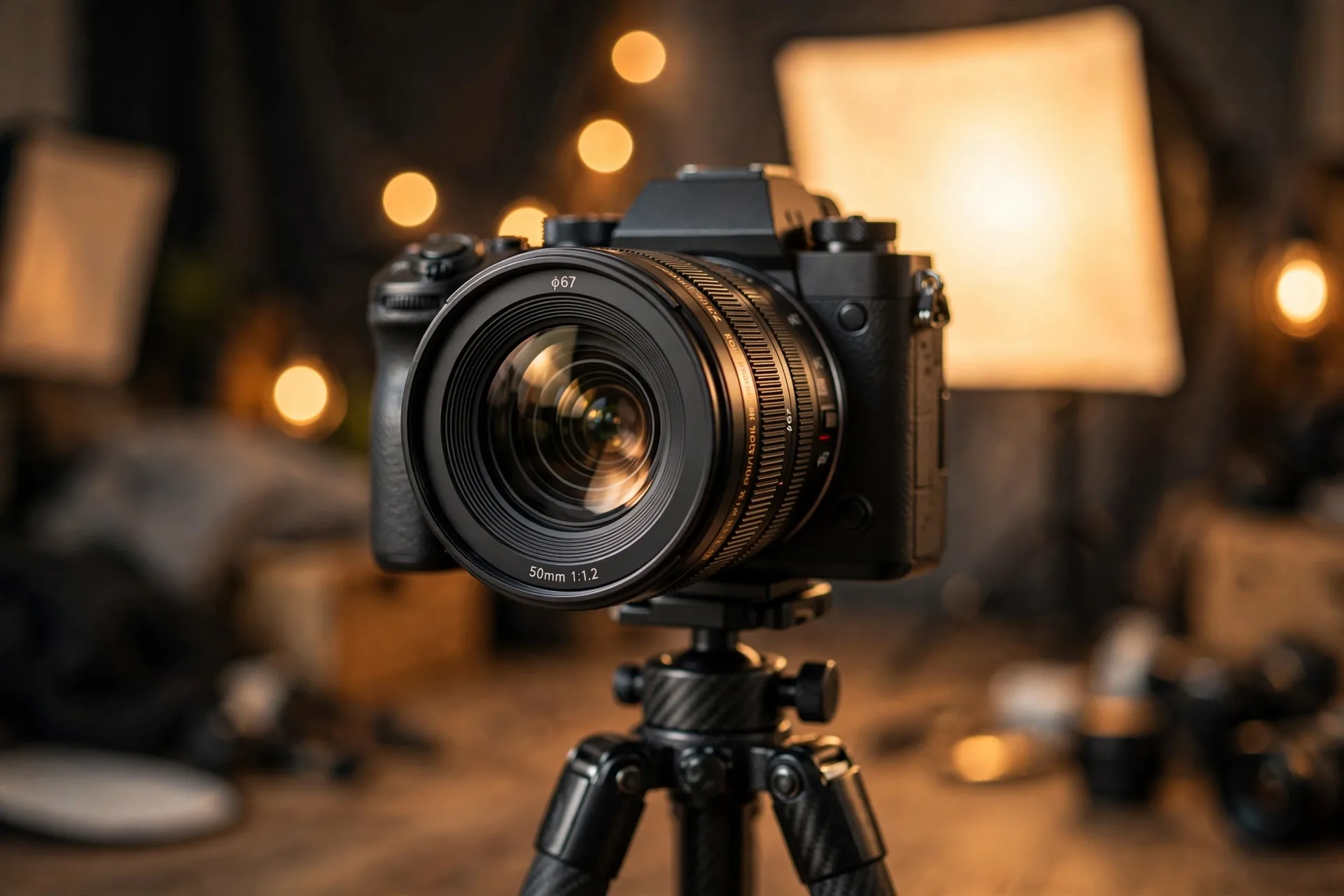
Autofocus noise is a video-only problem. A lens that sounds fine for photography can ruin video audio. The a6000’s internal mic sits right above the lens mount. Sigma’s stepping-motor lenses (both picks above) focus near-silently; Sony’s older 50mm f/1.8 uses a louder motor that the mic will hear in quiet rooms. If you record audio in-camera, this decides the purchase.
Focal length on APS-C: multiply by 1.5x. For talking-head vlogging at arm’s length or across a desk, 30mm (45mm equivalent) is the sweet spot. For portraits and thumbnails where blur matters most, 50 to 56mm (75 to 84mm equivalent) is classic. Anything longer needs a tripod and distance; anything wider starts distorting faces. One crop-sensor subtlety: depth of field follows the physical focal length, not the equivalent, so a 56mm at f/1.4 blurs backgrounds like a 56mm rather than an 85mm. That is precisely why the fast apertures above earn their keep on this sensor.
Full-frame (FE) lenses mount and work too. Sony uses one E mount for both sensor sizes, so FE glass fits the a6000 with autofocus and electronic aperture control intact, and the same 1.5x crop applies to it. The FE lens portrait shooters ask about most is Sony’s FE 85mm f/1.8: on the a6000 it frames like a 127.5mm lens, which is flattering for tight headshots and thumbnail portraits when you have room to stand back, but far too tight for desk work, and it has no stabilization of its own. The strategic reason to buy FE glass for an a6000 is the exit plan: it carries straight over to a full-frame body later, while APS-C lenses only cover the smaller sensor. For most a6000 owners, though, the three APS-C primes above remain the smarter money: smaller, lighter, and built for the sensor you actually have.
Stabilization: the a6000 has none in-body, so for handheld video an OSS lens (like the Sony 50mm) has a real advantage. Or just mount the camera on a tripod and stop worrying about it. Locked-off talking-head shots do not need stabilization at all.
Flashes are for thumbnails, not video
A flash fires for 1/1000th of a second. It cannot light video. Buy a flash for thumbnail photography and portrait stills, and a constant LED light for video.
This is the point almost everyone gets wrong at first, so let us be explicit: if your goal is better-looking video, skip this section entirely and put the money toward a constant video light. Flashes only help stills.
But thumbnails decide whether videos get clicked, and an inexpensive manual flash bounced off the ceiling or shot through a cheap softbox produces thumbnail portraits that look like a studio shoot. Start with one flash on-camera bounced off the ceiling; when that looks good, move it off-camera with the YN560 IV’s radio system or a Godox trigger for directional light. Two lights, a key and a rim, make a complete thumbnail studio that fits in a backpack.
Frequently asked questions
The questions a6000 owners actually ask before accessorizing.
What is the best portrait lens for the Sony a6000?
The Sigma 56mm f/1.4 DC DN: an 84mm-equivalent f/1.4 with superb sharpness and creamy background blur at a mid-range price. The Sony E 50mm f/1.8 OSS is the budget alternative and the only fast prime here with stabilization.
Is the Sony a6000 still good in 2026?
For stills and thumbnails, yes. The 24MP sensor remains genuinely capable, especially with a fast prime. For video, it is showing its age: 1080p only, no mic input, no flip screen, no stabilization. It is a fine starter vlogging camera if you work around those limits (separate audio, tripod, the lenses above), but anyone buying fresh today should look at newer bodies in our best vlogging cameras guide.
Does the Sony a6000 have a microphone input?
No. This is the a6000’s most infamous limitation. There is no 3.5mm mic jack. Vloggers work around it by recording audio separately on a phone or recorder with a wireless lavalier mic and syncing in editing (clap at the start of each take to align). It is an extra step, but the audio quality leap over the built-in mic is enormous.
Can the Sony a6000 shoot 4K video?
No. Maximum video resolution is 1080p at 60fps. The footage is soft by modern standards but perfectly acceptable for YouTube, where most viewers watch on phones. If 4K is a requirement, the a6000 is not the camera. Still, the lenses above will transfer to a newer Sony APS-C body when you upgrade.
Which is better: the Sony 50mm f/1.8 or the Sigma 56mm f/1.4?
The Sigma 56mm is the better lens: sharper, faster (f/1.4 vs f/1.8), and quieter to focus. The Sony 50mm f/1.8 wins on two points: it is cheaper, and it has optical stabilization, which matters for handheld video on the IBIS-free a6000. For portraits and thumbnails, get the Sigma; for handheld video on a budget, the Sony’s OSS is genuinely useful.
Can I use full-frame (FE) lenses on the Sony a6000?
Yes. Full-frame FE lenses share the same E mount, so they fit the a6000 and keep autofocus and electronic aperture control. The 1.5x crop applies, so an FE 85mm f/1.8 frames like a 127.5mm lens: superb for headshots and thumbnail portraits when you have working distance, too tight for a desk setup, and with no stabilization built in. FE glass costs and weighs more than the APS-C primes above, but it stays useful if you later move to a full-frame body.
Do I need a flash for vlogging?
Not for video. A flash fires for a fraction of a second and cannot light moving footage; video needs constant LED light. You need a flash for thumbnail photography and portrait stills, where it makes an enormous difference. If you only shoot video, skip the flashes and buy a video light instead.
What flash works with the Sony a6000?
Any flash with a standard hot shoe fires on the a6000, but for automatic exposure (TTL) you need a Sony-TTL model like the Godox TT350S. Fully manual flashes like the Neewer TT560 and YONGNUO YN560 IV work on any camera including the a6000. You just set the power yourself.
Is the Sony a6000 good for YouTube?
It is a workable starter YouTube camera with caveats: use a fast prime (the Sigma 30mm f/1.4 for talking head), record audio separately, mount it on a tripod, and accept 1080p. Thousands of channels started exactly this way. But if you are buying a camera today specifically for YouTube, newer options with mic inputs, flip screens, and 4K will serve you better. See our flip-screen camera guide.
What lens is best for talking-head videos on the a6000?
The Sigma 30mm f/1.4 DC DN: 45mm-equivalent is the natural talking-head focal length, f/1.4 gives background blur and low-light ability, and the stepping-motor autofocus is quiet enough for video. The Sony 50mm f/1.8 is too tight for arm’s-length framing and its AF motor is audible.
Does the Sony a6000 have Eye AF?
Yes, for stills. It is not on by default: assign Eye AF to a custom button under Custom Key Settings, then hold that button and the camera locks focus on your subject’s nearest eye. For portrait and thumbnail sessions it is the most useful focus trick the a6000 has. It does not operate while recording video, so it will not help your talking-head footage.
Should I upgrade my a6000 or buy lenses for it?
Buy one fast prime first. A single prime transforms the a6000 more than an expensive body upgrade paired with the kit lens, and E-mount lenses transfer to any newer Sony APS-C body, so the investment survives the eventual upgrade. Only upgrade the body when you specifically need what the a6000 lacks: 4K, a mic input, or a flip screen.
This guide is research-based curation: we compared manufacturer specifications, published reviews, and current prices. Read how we choose.
Keep exploring
Your a6000 is one part of the kit. Here is the rest.