
Last updated: November 2026
A wedding is the one shoot where you cannot ask for a second take, cannot reshoot the vows, and cannot fix a missed moment in the edit. That sounds like a reason for a vlogger to stay away. It is actually the reason vloggers start ahead. You already shoot alone, move fast, record clean audio without a crew, and cut hours of footage into something strangers watch to the end. This guide maps those skills onto a wedding day, gives you a first-wedding workflow for a solo shooter, and names the vlogging habits you must leave at the door.
In this guide
- Can vlogging skills really become wedding videography?
- What wedding kit do you actually need if you already vlog?
- How does one vlogger shoot a whole wedding day?
- How do you work with the photographer instead of fighting them?
- How do you record ceremony audio you can trust?
- Should you hire a second shooter or fly a drone?
- Which vlogging habits must you unlearn at a wedding?
- How do you back up, edit, and deliver a wedding film?
- How do you land your first wedding booking?
- Frequently asked questions
Can vlogging skills really become wedding videography?
Most beginner wedding guides start from zero: buy a camera, learn to shoot, build a portfolio. That path ignores the reader this guide is written for. If you vlog every week, you have already solved the problems that sink new wedding shooters. You know how to light a face in a small room, hold a shot steady while walking, get a clean voice recording in a noisy place, and cut a rambling day into a story with a beginning, a middle, and an end. A wedding asks for those same skills, pointed at someone else’s day instead of your own.
The transfer is direct. The table below maps what you already do to what a couple pays for.
| Vlogging skill you already practice | What it becomes at a wedding | Where it shows up |
|---|---|---|
| Run-and-gun solo shooting | Covering a full day with one body and no crew | Prep, ceremony, and reception without missing transitions |
| Talking-head storytelling | Building a story spine from vows and speeches | The highlight film, which is cut around words, not just pictures |
| Audio discipline in noisy rooms | Ceremony and speech audio a couple can actually hear | Vows, readings, and toasts, where bad audio ruins good pictures |
| Retention editing | Cutting hours of footage into a film people finish | The highlight film and the full film edit |
| Small-kit mobility | Moving between rooms and venues without blocking guests | Aisle work, portrait sessions, and crowded dance floors |
One honest limit belongs up front. Vlogging rewards speed, personality, and constant narration. A wedding rewards patience, silence, and invisibility. The skills transfer; the instincts need retraining. The rest of this guide is that retraining, plus the practical systems around it: kit, workflow, audio, teamwork, backups, and delivery.
It also helps to know what a wedding film is not. It is not a vlog about a wedding. Your channel audience is not who this film is for, you are not the host, and your face should barely appear while your voice stays out of the film. If the finished film feels like your channel with a wedding in it, you shot the wrong film. If it feels like their day, told in their words, you shot the right one.
What wedding kit do you actually need if you already vlog?
Wedding gear guides love long lists. FilmLifestyle’s gear guide runs through nine equipment types and three kit tiers, and it is a good reference for a working professional. A vlogger shooting a first wedding needs a shorter rule: start from what you own, add only what protects you against a ruined moment, and rent the rest. A ruined moment at a wedding is a dead battery during vows, a full card during speeches, or one camera with no backup angle. Those are the failures your kit must prevent. A fancier lens prevents none of them.
| Item | Own it already | Rent or add for weddings | Skip for now |
|---|---|---|---|
| Main mirrorless camera | Your vlogging body, if it shoots clean video in low light | Nothing, if it is reliable and you know it cold | A new body bought for one wedding |
| Versatile zoom lens | A standard zoom in the 24-70mm range | A prime with a wide aperture, such as f/1.8, for dark receptions, rented if you lack one | A full prime set |
| Second camera for a locked-off wide shot | An older body, a second vlogging camera, or a borrowed body | A rental body for the ceremony only | A matching second cinema camera |
| Lavalier microphone and portable recorder | Your vlogging lav kit | A second lav or a small recorder for the lectern | Wireless systems with many channels |
| Wind covers for microphones | Your vlogging wind covers | Spares for an outdoor ceremony | Leaving them behind on a calm day |
| Monopod and tripod | Whatever you already stabilize with | A fluid-head tripod for the ceremony wide shot | A gimbal you have never practiced with |
| Small LED panel | Your vlogging light | A second panel for a large dark reception, rented if needed | A multi-light interview rig |
| Cards and batteries | Your vlogging stock, doubled | Enough cards to never format on the day | Formatting a card on the day |
| Drone | Only if you already own and fly one legally | Rent only with venue permission and local rules checked | Buying one for a first wedding |
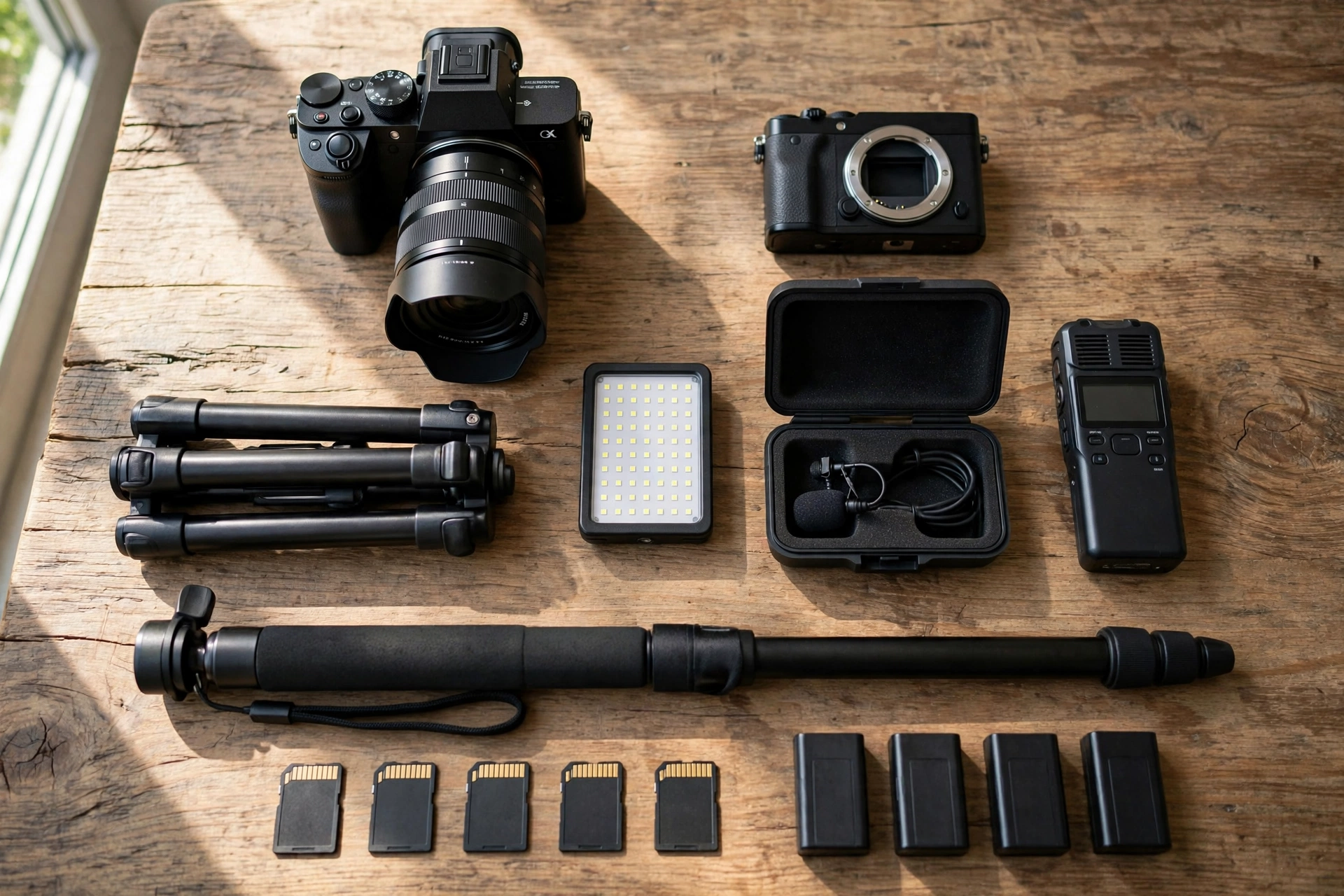
Two kit rules matter more than any single item. First, match your cameras before the day. Set the same white balance, the same picture profile, and the same frame rate on every body, and sync their clocks, so ceremony footage from two angles cuts together without a color shift every time the angle changes. Second, never format a card on the day. Carry enough cards to shoot the whole wedding without reusing one, and keep used cards in a separate pocket from blank ones. A card you formatted at a reception is a card you cannot recover.
Settings discipline is the quiet part of a wedding kit. Shoot the ceremony at 24 frames per second and switch to 60 frames per second only for moments you plan to slow down, like a bouquet toss or a first dance spin. Keep shutter speed at roughly double your frame rate for natural motion, so 1/50 at 24 frames per second. Fix your exposure for the ceremony so it does not hunt during vows, and re-check it between moments when the light changes, such as when cloud cover moves. Learn how your camera handles the jump from a bright outdoor ceremony to a dim reception before the day, not during it. Our guides to vlogging camera settings, white balance, and exposure tools cover the underlying controls.
How does one vlogger shoot a whole wedding day?
A wedding day has a shape every guide agrees on: prep, ceremony, portraits, reception. What no generic guide gives you is the solo vlogger’s version of that shape, where one person must be in two places at once and the only honest solution is to plan which place matters more. The workflow below is written for a solo shooter with a vlogging camera, a second body on a tripod, and no assistant. It assumes a single venue or two venues close together. If prep and ceremony happen far apart at the same time, that is a two-shooter day, and the decision framework later in this guide says so plainly.
| Part of the day | Where you are | What you shoot | Your safety net |
|---|---|---|---|
| Morning prep | With one partner’s party, by agreement; the other partner’s prep is missed unless a second shooter is hired | Details, dressing, reactions, quiet moments before guests arrive | Posed details can be repeated, but genuine reactions cannot, so shoot reactions when they happen and relax about the rest |
| Pre-ceremony | At the ceremony space, early | Empty venue, decorations, guest arrivals, the locked-off wide shot set and rolling | The wide camera records the whole ceremony even if you are out of position |
| Ceremony | On a monopod on one side, standing still during vows, never crossing the aisle during vows | Processional, vows, ring exchange, first kiss, recessional | The wide shot, plus audio from two independent sources |
| Portraits | Beside the photographer, never in front of them | Couple portraits in motion, group reactions, candid moments between posed shots | Let the photographer direct; you collect the moments around their setups |
| Reception entrance | Near the entrance, low and out of the way | Entrance, first reactions, room energy | Arrive before the doors open, not with the crowd |
| Speeches | Close to the speakers, audio tested before the meal ends | Every speech in full, plus couple reactions | A recorder near the speakers as backup to your camera audio |
| First dance and party | On a monopod at the edge of the floor | First dance in full, then candid dancing in short bursts | Stop chasing every dancer; the film needs the couple, not the whole party |
| End of night | Packing down in view, not hidden away | Final farewells, sparklers or send-off if planned | Cards out of cameras and into separate pockets before you leave |
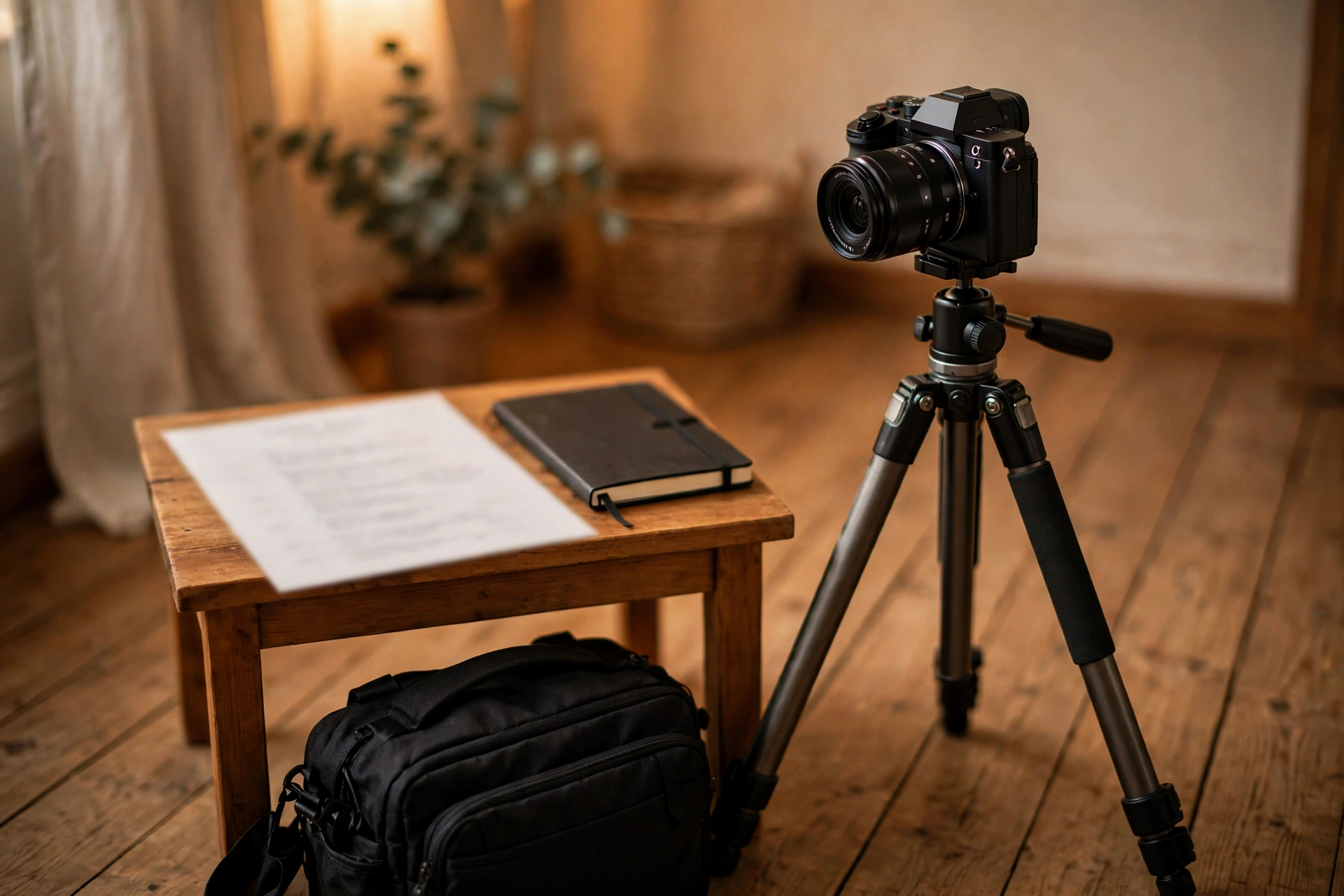
Three solo rules hold the whole workflow together. First, the bail-out shot: a locked-off wide camera at the back of the ceremony, high enough that standing guests cannot block it, rolling for the entire ceremony. Forum advice from working solo shooters repeats this more than any other tip, and it is the difference between a usable ceremony and a gap. Second, never move during vows. Any repositioning happens during hymns, readings, or transitions, never while the couple speaks. The one exception is the recessional, when the center aisle belongs to whoever agreed it with the photographer beforehand. Third, rotate batteries and cards at planned breaks, not when a warning appears. Swap during the meal, during portraits, and before speeches, so no warning ever interrupts a moment that cannot be repeated.
Scout the venue if you possibly can, and attend the rehearsal when one exists. A rehearsal tells you where the couple will stand, where readers will read from, how long the aisle walk takes, and where the light falls at ceremony time. A venue visit tells you where tripods are allowed, whether the venue restricts flash or movement, and where you can stand without blocking a guest’s view. Both visits are also where you meet the photographer and the venue coordinator, which leads directly to the next section.
How do you work with the photographer instead of fighting them?
Every wedding guide mentions photographer coordination, and almost every one stops at “do not compete for shots.” That advice is correct and useless, because it says nothing about how coordination actually works. Coordination is a short system, agreed before the day, and it has four parts.
First, a pre-day call. Introduce yourself, share the timeline, and ask three questions: where do you plan to stand during the ceremony, how do you run portraits, and is there any moment you need the space to yourself? Offer the same three answers about your own plan. Most conflicts come from two people discovering each other’s plan at the same moment in front of the couple.
Second, a position map for the ceremony. Agree opposite sides or complementary angles, so you are never shooting the same angle and never standing in each other’s frame. Decide who takes the center aisle for the recessional, since only one of you can own it. Put the locked-off wide camera where neither of you will walk in front of it.
Third, signals for portraits. During posed portraits, the photographer directs and you collect motion and reactions around their setups. During couple portraits, ask for two or three minutes of movement: a walk, a turn, a laugh, filmed while the photographer shoots stills from a different angle. Neither of you loses anything, and the film gains the moving portraits that posed stills cannot give.
Fourth, respect for the venue’s rules and the couple’s guests. Do not ask a photographer to stop using flash; set your exposure to handle their bursts, and accept some variation between flashed and unflashed frames. Do not stand in the aisle during vows for a dramatic angle; the wide shot already covers you. Do not film guests who have asked not to be filmed, and do not post anything from the day without the couple’s say-so. Ask the couple before the day whether any guest has asked not to be filmed, and get those names from the couple or the planner, so you know before you arrive rather than learning it mid-ceremony, a rule the delivery section returns to. Venue rules, guest privacy, and filming permissions are covered in more depth in our guide to filming people, places, and property legally.
How do you record ceremony audio you can trust?
Ask any working wedding videographer what ruins a film and the answer is audio, not pictures. Guests forgive a slightly soft shot. Nobody forgives vows they cannot hear. Vloggers already know this instinctively: a talking-head video with bad audio gets closed in seconds. A wedding film with bad vows gets watched once, in silence, and never again.
The ceremony setup is simple. Fit a lavalier microphone to one partner, agreed with the couple beforehand, since a lav on one partner at close distance picks up both voices during vows, or to the officiant, whose position catches both the couple and the officiant. Add a small portable recorder near the lectern or wherever readers stand, as a backup that does not depend on the lav. Test both before guests arrive, with levels set for speaking voices, not for the room’s ambient noise. Fit wind covers for any outdoor ceremony, even on a calm day, because a single gust across a bare microphone destroys a sentence.
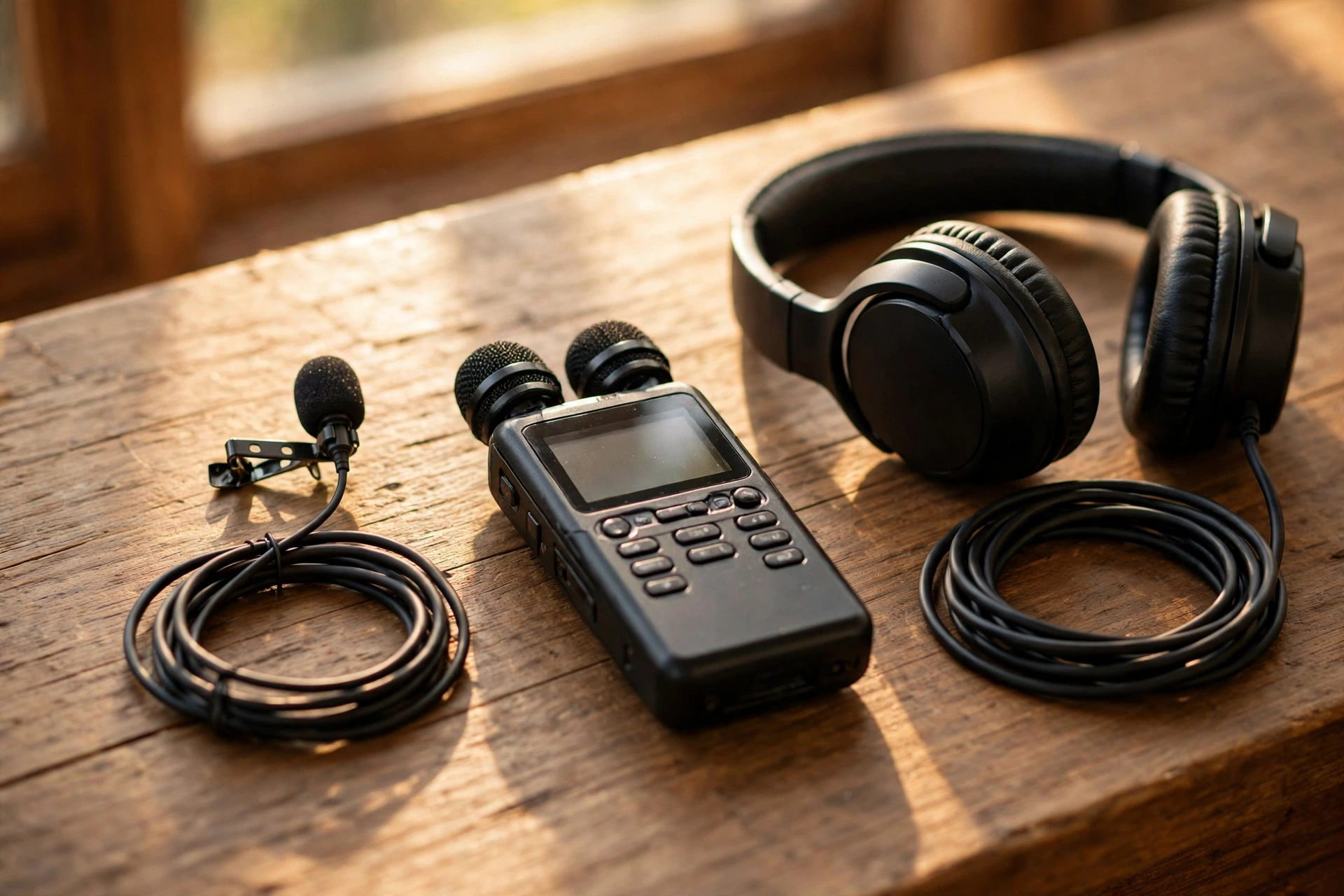
Speeches need a different plan. Arrive before the meal ends, introduce yourself to the DJ or band, and ask for a feed from their sound system or permission to place your recorder near a speaker. Test levels while the room is still empty, then set them lower than the empty-room test suggests, leaving headroom for applause and a full room, because levels set in silence will clip once the guests and applause arrive. Keep your camera audio running as a reference track throughout, so you always have something to sync to, even if a recorder fails.
Sync is the part beginners underestimate. Clap once in view of every camera before the ceremony starts, or use a camera flash as a visible sync point, so every angle and every audio source lines up in the edit. Match your cameras’ clocks before the day, and label every card and every audio file by part of the day as you go, not from memory the next morning. Our guide to recording better vlog audio covers microphone placement and level-setting in more depth, and the same discipline applies here with higher stakes.
Should you hire a second shooter or fly a drone?
This is the decision every solo vlogger gets wrong in both directions. Some try to cover everything alone and miss the ceremony while filming prep. Others buy a drone for their first wedding and spend the day worrying about wind, batteries, and permission instead of filming the couple. A simple framework settles both choices before you quote the job.
Hire a second shooter when any of these are true: prep for both partners happens at the same time in different places; the ceremony and the reception are far apart with no travel gap; the guest list is large enough that one shooter cannot cover reactions and the couple at once; or the couple’s shot list includes two simultaneous moments, like a first look and a venue reveal. A second shooter does not need to be a wedding specialist. A steady vlogger friend who can run a second roaming camera, follow a shot list, and stay quiet is worth more than a talented stranger who improvises.
Stay solo when the wedding is small, the venues are close together, and your locked-off wide camera covers the ceremony. Solo is also the right call for a portfolio wedding, where the point is learning your own workflow, not managing someone else. Be honest about this in the quote: a solo package promises one shooter and a locked-off second angle, not two roaming cameras.
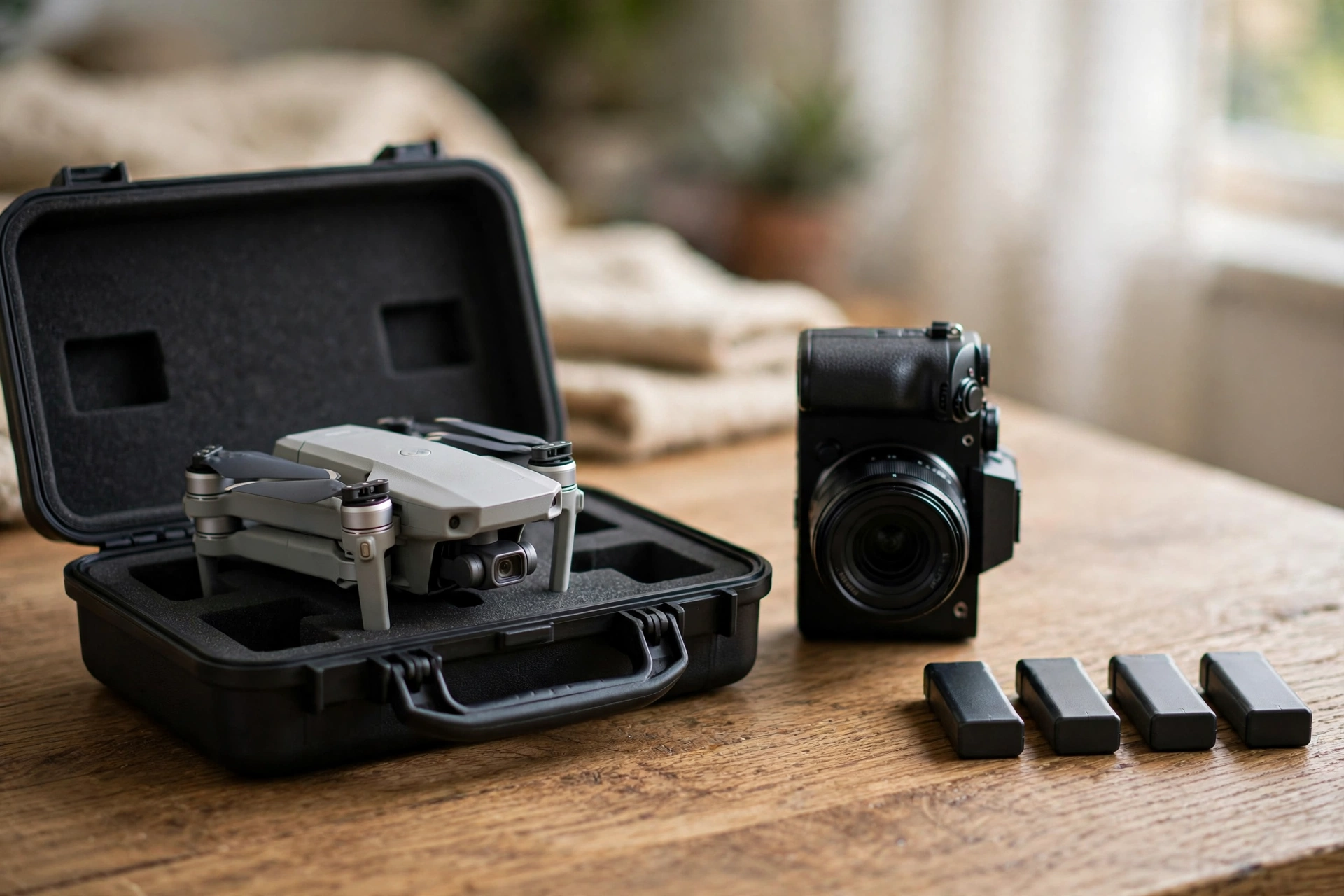
Drones deserve a separate decision, because the rules around them are not yours to improvise. Drone rules vary by country and sometimes by region, venues set their own permission on top of that, and some ceremony spaces ban drones outright. Check the local rules for where the wedding happens, get the venue’s permission in writing, and confirm the couple actually wants aerial shots. Never fly over guests, never fly in wind you have not practiced in, and use the drone only for short establishing shots of the venue, not for ceremony coverage. If permission, rules, or weather give you any doubt, leave the drone in its case. A wedding film without aerial shots is a complete film. A wedding film with a drone incident is a ruined day and a liability problem. This section is general guidance only; readers should check the rules that apply where they fly.
Which vlogging habits must you unlearn at a wedding?
This is the section no generic wedding guide writes, because generic guides are not written for vloggers. They assume the reader’s instincts are neutral. Yours are not neutral: years of vlogging trained reflexes that are exactly wrong on a wedding day. Naming them is the fastest way to retrain them.
| Vlogging habit | Why it works in vlogs | Why it hurts at weddings | Do this instead |
|---|---|---|---|
| Talking or narrating over the moment | Narration drives retention | Your voice over vows is unusable audio, and the couple’s own words are the story | Stay silent during vows, readings, and speeches; add no voiceover |
| Handheld everything | Energy and immediacy | Shaky ceremony footage looks amateur | Tripod or monopod for the ceremony, and stand still during vows (see our guide to smooth handheld video) |
| Posting clips the same day | Speed wins the algorithm | The couple has not seen their own film yet | Nothing public until the couple approves the finished film |
| Filming for other filmmakers | Showpiece shots earn respect | An epic angle that misses the kiss is a failure | Coverage first, creative shots only with the safety net rolling |
| Vertical framing | Short-form platforms reward it | A wedding film is watched on a television | Horizontal, always, on every camera |
| Chasing every trend | Trends bring views | A dated trend dates the couple’s film forever | Classic framing and clean edits that age well |
The deepest habit to unlearn is the performer instinct. In a vlog, you are the host and the camera loves you. At a wedding, the camera should barely notice you exist. Dress like a guest, move like staff, speak only when spoken to, and never step into a moment to improve it. The best compliment a wedding videographer gets is that the couple barely remember you were there, and the film proves you were everywhere.
One more habit belongs here because it is easy to miss: cutting fast. Vlog editing rewards quick cuts and constant motion. A wedding film rewards held shots: a father’s face during the processional, a long look during the first dance, a full speech without interruption. Hold the shot longer than feels natural. The couple watches this film for decades, and a held moment is what they rewind.
How do you back up, edit, and deliver a wedding film?
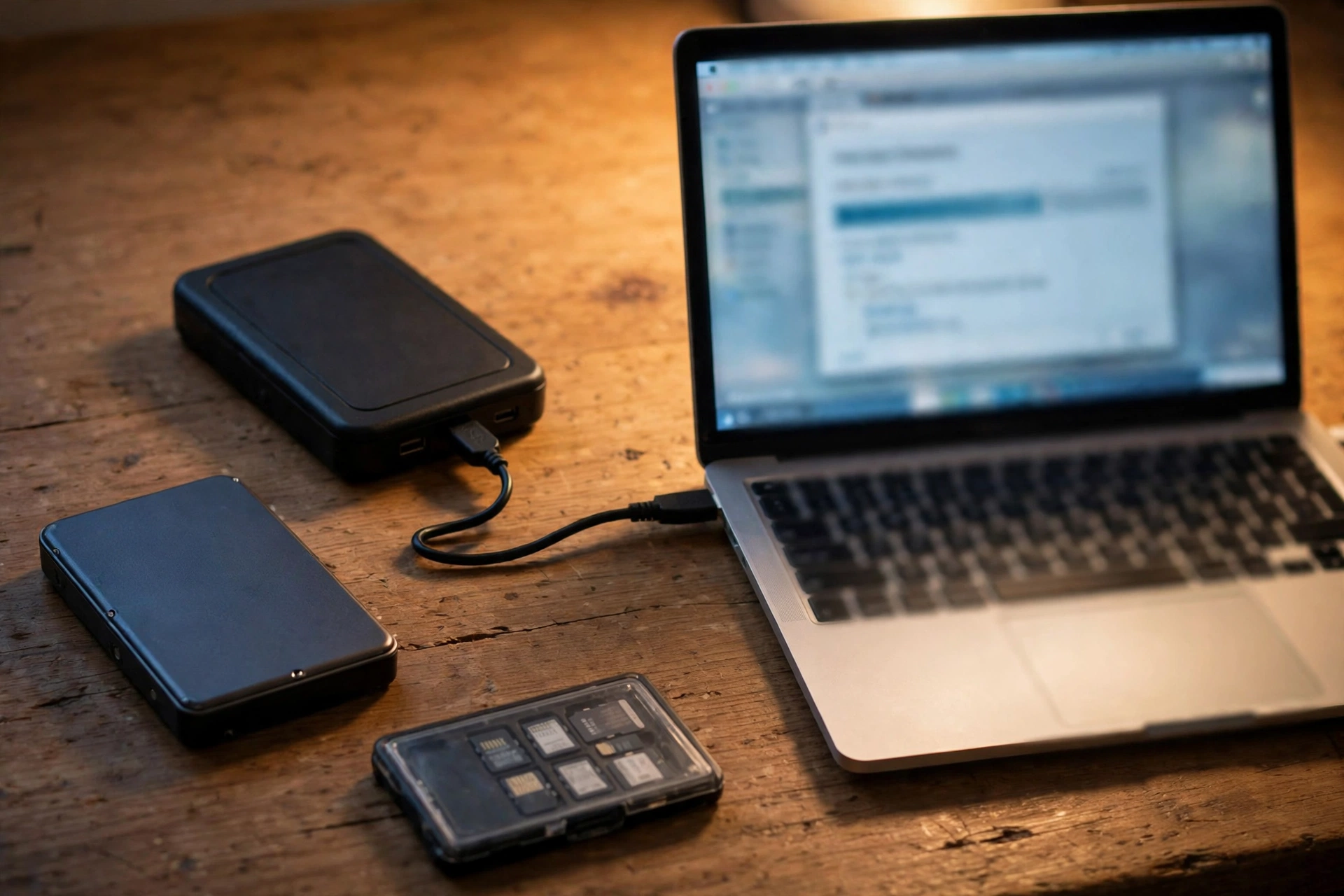
Backups come first because everything else depends on them. The night of the wedding, before you sleep, copy every card to two separate drives and verify both copies by checking file counts and sizes against the cards, and playing back clips from the start, middle, and end of each copy. Keep the two drives in different bags, and keep the original cards untouched until delivery is complete. FilmLifestyle’s guide states this as a minimum of two different places, and for a wedding that minimum is not cautious, it is the floor. A lost wedding cannot be reshot, and no apology restores it. Our guide to backing up video footage covers the routine in full.
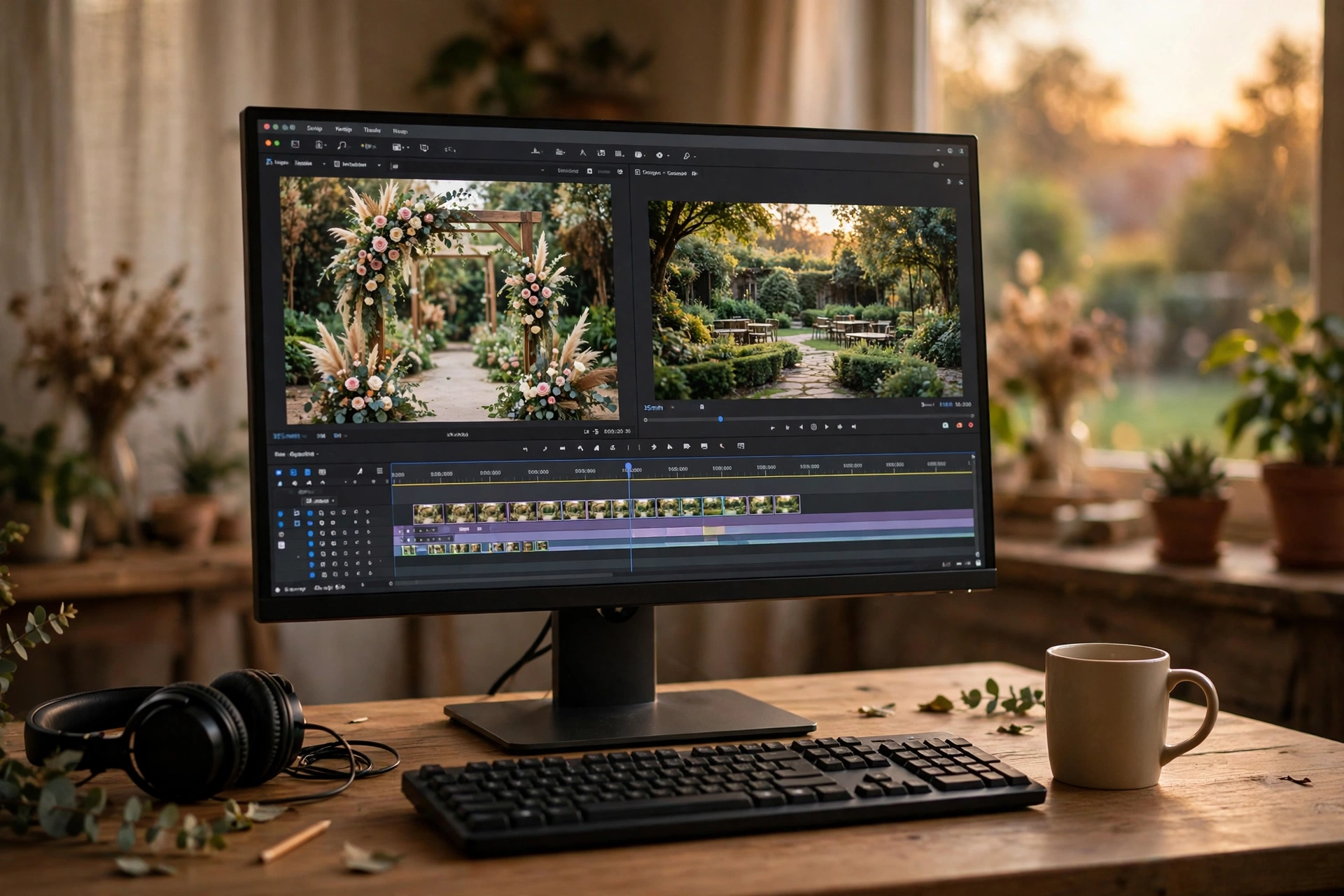
Editing order matters as much as editing skill. Start by selecting the story spine: the vows, the readings, and the best lines from the speeches. Cut the highlight film first, built around those words, because the highlight sets the visual standard for everything else and gives the couple something to love early. Then build the full film around the same spine, in day order, with held shots and clean transitions. Grade both films consistently, so the highlight and the full film look like one job, not two.
Music is where beginners create legal trouble. Never use chart music or a couple’s favorite commercial song in a delivered film unless you hold a proper license for that use. Use licensed music from a library that covers wedding films, and tell the couple early that their song request may need a licensed alternative. This is also the moment to settle raw footage: decide before the wedding whether raw files are included, an extra, or not offered, and write it down. Raw footage disputes are the most common post-wedding argument, and a written line prevents them.
Delivery is a consent process, not an upload. Send the finished films to the couple first, through a private link, and wait for their approval before anything goes anywhere else. Agree in writing what you may post: a highlight clip, a teaser, or nothing at all. Some couples want privacy, some want a teaser for social media, and both answers deserve the same respect. Posting clips before delivery, to grow your own channel, breaks trust with the people who trusted you with their day, and it is the one mistake in this guide that no editing skill repairs. Set the delivery timeline in writing before the wedding, and meet it. Published guides commonly describe a highlight within a few weeks and a full film within about a month, but the only timeline that matters is the one you promised in writing. A late film with no communication damages your reputation more than a late film with honest updates.
How do you land your first wedding booking?
FilmDaft’s guide names the classic problem honestly: you need weddings to get hired, and you need to be hired to shoot weddings. Vloggers have two clean ways through it, and both beat cold-pitching couples with no wedding work to show.
The first way is second-shooting. Offer yourself to established wedding videographers as a second camera: you run the locked-off wide shot, cover reactions, and learn the day’s rhythm from someone who has done it many times. You earn no creative control and little money at first, but you leave with real wedding footage for your reel, a reference from a working professional, and a workflow you have seen survive a real day. Ask to use agreed clips in your portfolio, and get that permission in writing.
The second way is a portfolio wedding for friends or family who cannot afford a videographer. Treat it as a real job even though it is free: a written agreement covering what you will deliver and when, a shot list, a timeline, full backups, and a finished highlight film. The couple gets a film they could not otherwise afford, and you get a complete wedding film for your reel. What you must not do is treat a free wedding casually, because a casual free wedding still produces a couple who waited months for a film.
Turning that portfolio film into paying work is the next step, and it comes from people, not platforms. Ask the portfolio couple whether they will refer you, and ask the photographer and planner from that wedding whether you may join their preferred vendor lists. Put the highlight film on your own portfolio page, share short clips only with the couple’s permission, and keep second-shooting for established videographers, since their referrals are how many wedding videographers book their first paid dates. A finished portfolio film with no one seeing it books nothing; a film in front of couples, planners, and photographers books the next wedding.
Packages for a first paid wedding should be built on your own structure, not on copying another videographer’s figures. Research what videographers in your area charge to understand the market, then set your own tiers from your costs, hours of coverage, number of shooters, and length of the finished films, with clear extras for raw footage, faster delivery, or extra hours. Set payment timing in writing, including a deposit that holds the date and a final balance due before delivery, and a cancellation line that protects both sides. Research what videographers in your area charge, and raise your tiers as soon as your reel can carry them. Contract, insurance, and tax questions belong to professionals: this guide gives general information only, and readers should get proper advice for their own contracts, cover, and tax position.
Finally, keep the vlogging channel and the wedding work in their proper places. Wedding work also sits naturally beside other freelance video services, such as shooting or editing for other creators, and the same written terms, deposits, and delivery promises should apply across all of them. If weddings become one service among several, keep one set of terms and one delivery standard for everything you offer. Your channel is excellent marketing for wedding work, because it proves you can shoot, edit, and deliver on schedule. But a wedding film is a private commission, not channel content, and nothing from it goes public without the couple’s approval. Hold that line from your first wedding, and it becomes the reputation that brings the second one.
Frequently asked questions
Can I shoot a wedding with just my vlogging camera?
Yes, for a small wedding, if the camera shoots clean video in low light and you add three things: a second camera for a locked-off wide shot, a lavalier microphone with a recorder for the vows, and enough cards and batteries to shoot the whole day without reusing anything. The camera is rarely the weak point. Audio coverage and backup angles are.
Do I need a second shooter for my first wedding?
Not always. A small wedding at one venue, with a locked-off wide camera covering the ceremony, is a realistic solo job. Hire a second shooter when prep and ceremony overlap, when two venues are far apart, or when the guest list is large enough that one shooter cannot cover the couple and the reactions at once. Decide this before you quote, and write it into the package.
How do I record vows clearly in a church or outdoors?
Use two independent sources. Fit a lavalier to one partner or the officiant, and place a small recorder near the lectern or readers as a backup. Test levels before guests arrive, fit wind covers outdoors even on a calm day, and keep your camera audio running as a reference track. Never rely on a camera microphone alone for vows.
Can I fly a drone at a wedding?
Only with the venue’s permission, local rules checked, and a plan that never takes the drone over guests. Use it for short establishing shots of the venue, not for ceremony coverage, and skip it entirely if permission, rules, or weather give you any doubt. A wedding film without aerial shots is complete. Check the rules that apply where the wedding happens.
What should a wedding video contract cover?
Hours of coverage, number of shooters, the finished films and their lengths, payment timing including a deposit and a final balance, cancellation terms, raw footage policy, music licensing, delivery timeline, and what you may post publicly. Put all of it in writing before the wedding. This is general information only, not legal advice.
How long should a wedding highlight film be?
A highlight film usually runs a few minutes, built around the vows and the best speech lines, while the full film covers the day in order and runs much longer. Cut the highlight first, because it sets the visual standard for the full film and gives the couple something to love early. Length matters less than whether every minute earns its place.
How do I avoid ruining the photographer’s shots?
Call the photographer before the day, agree ceremony positions and complementary angles, and decide who owns the center aisle for the recessional. During portraits, let the photographer direct while you collect motion and reactions around their setups. Never stand in their frame, never ask them to stop using flash, and never step into a moment they are directing.
What happens if a memory card fails or a battery dies mid-ceremony?
This is what the locked-off wide camera and the battery rotation plan exist for. The wide shot keeps recording the ceremony even if your main camera stops, and cards and batteries rotated at planned breaks mean no warning ever interrupts a moment. Never format a card on the day, carry spares for every critical item, and copy everything to two verified drives on the wedding night.
Can I post wedding clips on my own channel?
Only with the couple’s approval, agreed in writing, after they have seen and approved the finished film. Some couples want a teaser for social media, some want full privacy, and both answers deserve the same respect. Never post clips before delivery, and never use a couple’s day to grow your channel without their say-so.
How do I price my first wedding?
Build packages by hours of coverage, number of shooters, and length of the finished films, with clear extras for raw footage, faster delivery, or extra hours. Research what videographers in your area charge, set payment timing and cancellation terms in writing, and raise your tiers as soon as your reel can carry them. This guide gives no figures deliberately: local markets differ, and a copied number helps nobody.
This guide is research-based: we compared published guidance and creator resources.
Keep exploring
A wedding day leaves no second takes. These guides cover the kit, the audio, and the client work around the shoot.
- Freelance Videography for Creators: Turn Vlogging Skills Into Paid Client Work
- Multi-Camera Vlogging and Interviews: Shooting, Syncing and Matching
- How to Record Better Audio for Vlogs in 2026
- How to Back Up Video Footage in 2026: The 3-2-1 Backup System for Vloggers
- Low-Light Vlogging: 7 Tips for Clean Night Footage in 2026
- Best Gimbals for Vlogging in 2026
- Best Lenses for Vlogging in 2026 (Sony & Canon)
- How to Sync External Audio with Video in 2026
- Slow Motion for Vlogs: 60fps, 120fps, S&Q and Conforming
- How to Edit Vlogs Faster in 2026
- UGC Creation for Vloggers: How to Become a UGC Creator
- Camera Gear Insurance for Vloggers in 2026